Home › Commercial Hydroseeding
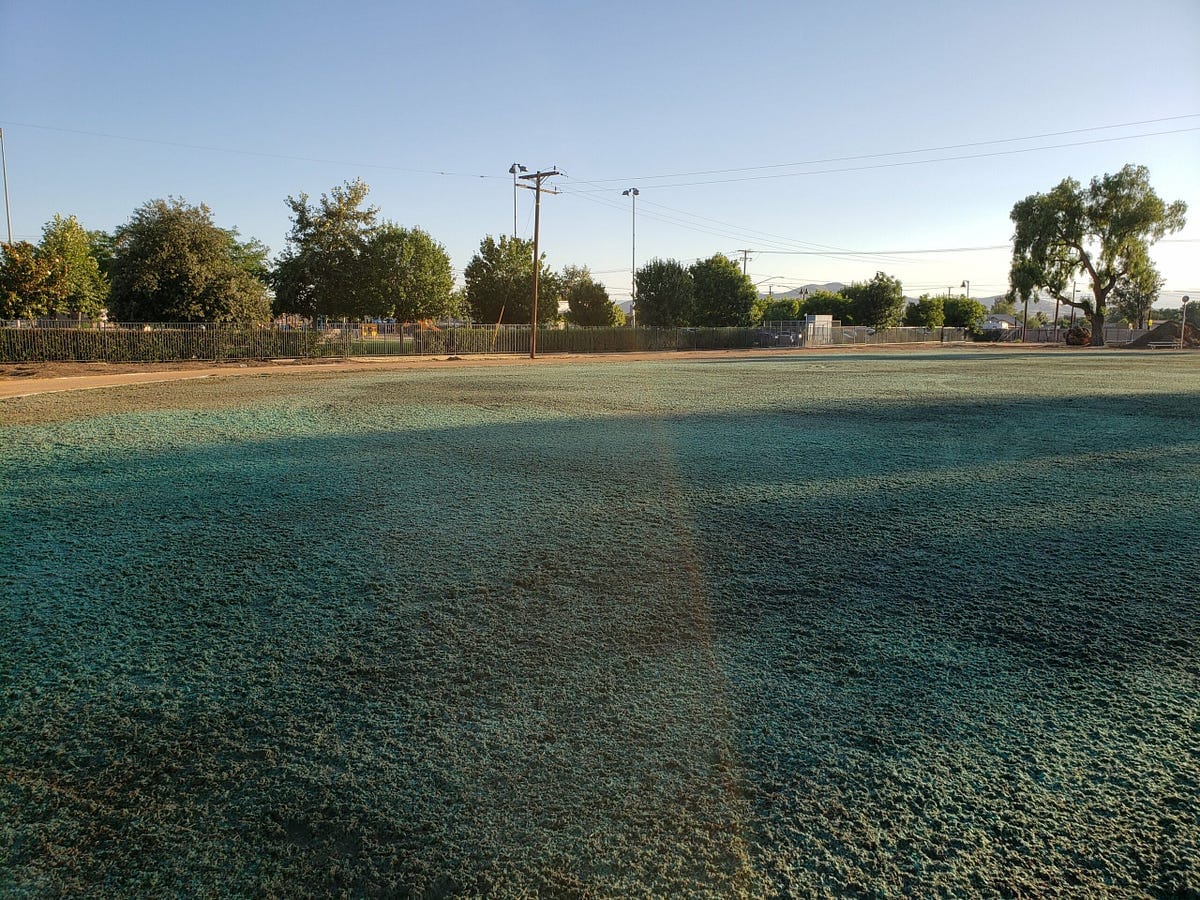
We deliver commercial hydroseeding in Austin, TX for developers, general contractors, and facility owners who need fast, reliable ground cover. Our high capacity equipment tackles large sites efficiently, from business parks to infrastructure projects. Count on us for consistent coverage, proper documentation, and professional project coordination.
Legendary Hydroseeding Austin provides professional commercial hydroseeding throughout Austin, TX, Texas and the surrounding area. Our licensed, insured crew delivers safe, clean, on-time work with a free estimate before anything begins. Call 737-237-0380 or request your free quote.
Commercial hydroseeding for Central Texas properties that need to perform
At Legendary Hydroseeding Austin, we focus on commercial hydroseeding projects that must stand up to Central Texas heat, heavy storm events, and strict erosion control requirements. Our crews work on new commercial developments, business parks, municipal sites, roadways, and large multi‑family communities throughout the Austin area.
Commercial hydroseeding is not just spraying green slurry on the ground. We evaluate your site conditions, soil profile, drainage, and project schedule, then build a seed and mulch specification that meets your performance and permitting needs. Whether you are trying to pass a final inspection, stabilize steep slopes along a new roadway, or establish durable turf around a retail center, we design the application so it works for your specific site and budget.
We understand that most commercial projects in Austin are under tight timelines and must coordinate around other trades. Our team plans staging, access, and water sourcing so hydroseeding happens efficiently and with minimal disruption to other site work.
How our commercial hydroseeding process works in Austin
A typical commercial hydroseeding job with Legendary Hydroseeding Austin starts with a walkthrough and review of your plans. We look at civil drawings, landscape plans, and any erosion control notes that affect seed mixes or mulch type. On site, we check soil compaction, slope steepness, and existing vegetation or construction debris that may interfere with seed-to-soil contact.
Soil preparation comes next. For new commercial sites, this often means lightly scarifying compacted subgrade or imported topsoil, knocking down high spots, and removing rock piles or construction trash. We are realistic about what can be done with the equipment and access you have, and we tell you up front if additional grading or topsoil will make a major difference in turf establishment.
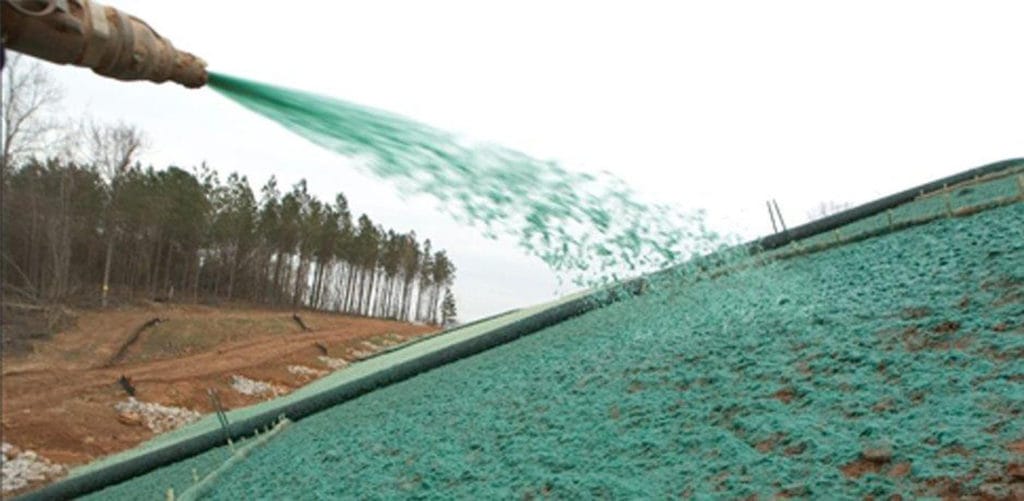
Once the site is prepped, we mix the hydroseeding slurry in our tank: water, selected grass seed mix, tackifier, fertilizer, and fiber mulch. For large commercial properties we typically use wood or wood and paper blended mulch for better moisture retention in the Austin climate. The crew then applies the slurry with hoses or turret nozzles, working methodically to ensure even coverage and the specified application rate. On sloped areas or high erosion risk locations we may double cover or use a heavier mulch rate if permitted.
After application, we provide maintenance guidelines tailored to the season in which we seed. For example, late spring and summer projects require more frequent irrigation and tighter control of mowing height as the turf establishes in the heat.
Seed mixes, mulch options, and specs for Central Texas conditions
Commercial hydroseeding in Austin must match local climate and site use, not just look good on opening day. Legendary Hydroseeding Austin builds each project spec around how the area will be used and what performance you need over the next 1 to 5 years.
For high-visibility, irrigated commercial lawns, we often use a blend centered on Bermuda grass for summer durability, sometimes combined with temporary rye for quick green cover outside peak Bermuda growing months. For non‑irrigated slopes or utility corridors, we may recommend native or drought‑tolerant mixes that hold soil and reduce long‑term water needs, even if they are slower to fully cover.
Mulch selection is equally important. Wood fiber mulch offers better moisture retention and stability than straight paper, which matters in our intense sun and sudden storm cells. On steep slopes, we may use a bonded fiber matrix or a heavier mulch rate that locks onto the soil surface when combined with a tackifier, which helps resist washouts during the kind of intense rain Austin can get in May and October.
We also factor in local regulations and owner requirements. Some municipal or TxDOT‑adjacent projects require specific native seed percentages or certified mixes. We are familiar with those standards and can hydroseed to those specs while still making practical recommendations if you want better early coverage or color around building entrances.
What drives commercial hydroseeding cost in Austin
Commercial hydroseeding cost is influenced by more than just square footage. Legendary Hydroseeding Austin gives itemized estimates so you see where your budget is going and where you have choices.
Area size and access: Large, open areas are more economical per square foot than small, broken‑up patches between sidewalks and parking lots. If we can park close and shoot most areas from the truck, your labor cost is lower than when we must run long hose lines or stage in multiple locations.
Slope and erosion risk: Steeper slopes require heavier mulch rates, stronger tackifiers, or premium products like bonded fiber matrices. These materials cost more per acre, but they also reduce the risk of rework after a heavy storm.
Seed mix quality: A low‑cost, generic blend might pass a quick inspection but perform poorly in Austin’s heat. Higher quality, regionally appropriate seed costs more upfront, but usually saves money in reduced reseeding, irrigation, and complaints from tenants or property managers.
Timing and water availability: Seeding outside the optimal windows (typically spring and early fall for major projects) may require more intensive watering and can increase the risk of partial failure. If there is no onsite water during establishment and we must truck water or coordinate with temporary water sources, that will affect the price.
Scheduling around Austin weather and construction timelines
Austin’s climate means timing is critical. Legendary Hydroseeding Austin plans commercial hydroseeding around temperature, rainfall patterns, and your construction milestones.
In Central Texas, ideal windows for most commercial hydroseeding are spring and early fall when soil temperatures support germination and daytime highs are not consistently extreme. Summer hydroseeding is possible, but it demands reliable irrigation and careful coordination so our work is not followed by heavy compaction from ongoing construction traffic.
We coordinate closely with your superintendent or project manager so hydroseeding is done after final grading, utility work, and major site traffic are complete. If you seed too early and then bring in heavy equipment, you destroy soil structure and young turf. If you wait too long and hit a wet weather pattern, you risk delays and muddy access.
For projects with regulatory deadlines, such as erosion control requirements tied to stormwater permits, we can stage partial hydroseeding to stabilize critical slopes first, then return for final turf areas as other trades finish. This phased approach often helps you keep inspections on track without rushing unprepared areas.
Common problems on commercial sites and how we handle them
Commercial construction sites around Austin often face the same set of hydroseeding challenges. Legendary Hydroseeding Austin addresses these issues directly so you know what to expect and how we will respond.
Compacted subgrade: Heavy equipment leaves soil so hard that roots struggle. When we see this, we will recommend scarifying or light tilling before hydroseeding, especially in lawn areas expected to be irrigated. Without that step, you can end up with thin, patchy turf that requires costly remediation.
Erosion from sudden storms: Central Texas can go from dry to torrential rain in a single afternoon. On high‑risk slopes and channels, we design the application with extra tackifier, heavier mulch, or a bonded matrix. If a storm causes isolated washouts, we can spot repair those areas rather than redoing the entire site, which keeps costs manageable.
Poor water management: Even the best hydroseeding will fail without moisture. We work with your team to plan realistic irrigation schedules using the system you will actually have in place, whether that is a permanent irrigation system, water trucks, or temporary hoses and sprinklers. When we think a plan is too optimistic for summer heat, we say so and document that risk.
Missed mowing or site care: On commercial properties, it is easy for early mowing and light traffic control to get overlooked. We provide written maintenance guidelines that can be handed directly to the property manager or landscape contractor so they know mowing heights, timing, and traffic limitations during establishment.
Why commercial contractors trust Legendary Hydroseeding Austin
General contractors and property owners in Austin work with Legendary Hydroseeding Austin because we treat commercial hydroseeding as a performance‑critical trade, not a last‑minute item to blast through. Our focus is on making your site pass inspection, look good to tenants and visitors, and hold up through Austin’s weather extremes.
We are fully insured, accustomed to working under commercial safety requirements, and prepared to coordinate with busy job sites. Our crews show up with the right equipment, from large‑capacity hydroseeding trucks for big open areas to hose setups for tight urban infill projects.
Most importantly, we stand behind our recommendations. We explain the tradeoffs between different seed mixes, mulch types, and schedules, then help you choose the option that fits your budget and risk tolerance. If you are planning a new commercial build, roadway improvement, or large‑scale renovation anywhere in the Austin area, we are ready to review your plans and give you a clear, practical hydroseeding strategy.