Home › Commercial Site Preparation, Grading, and Topsoil
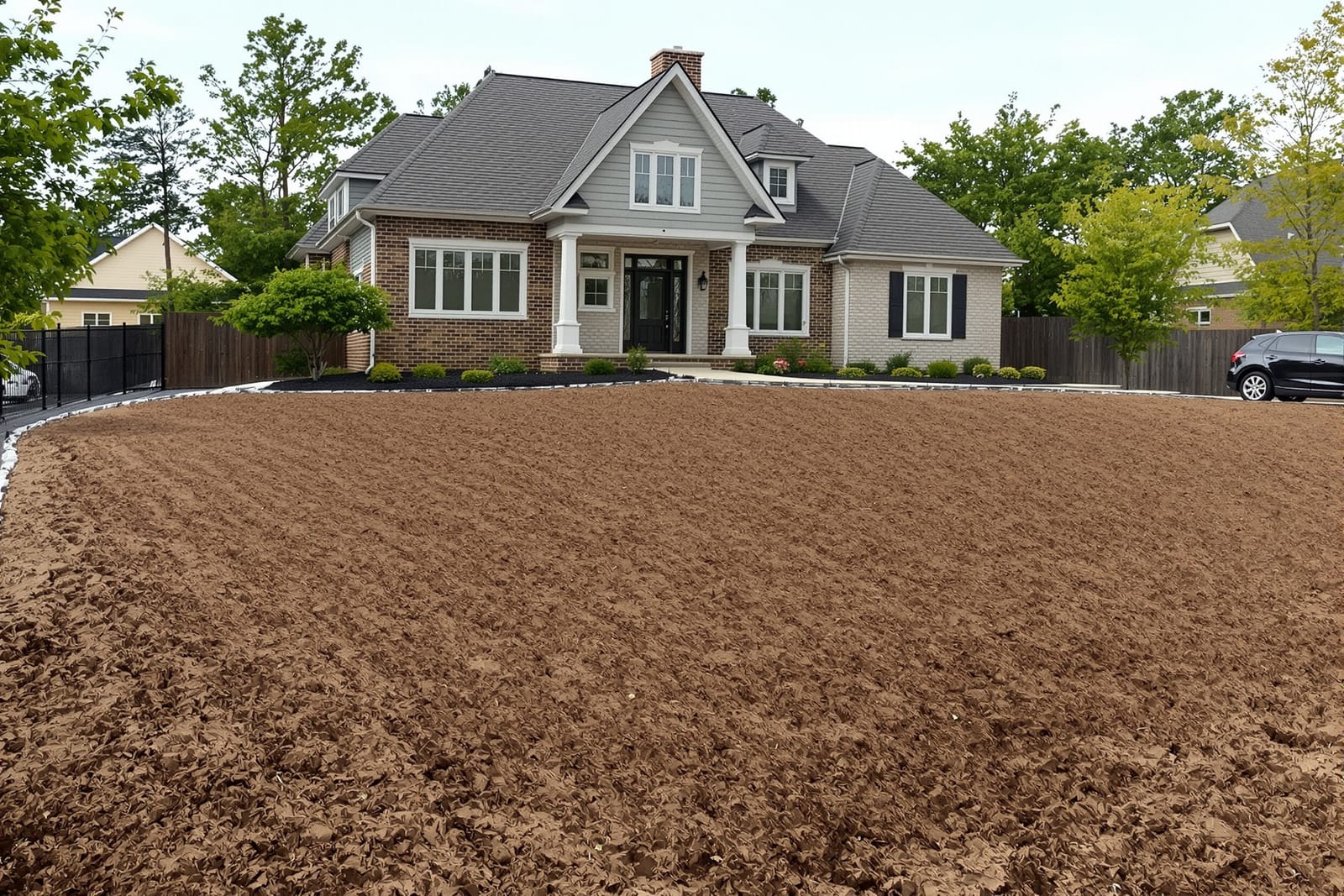
We provide commercial hydroseeding site prep in Austin, TX, from mass grading to fine grading and topsoil placement. Proper surface preparation ensures drainage, compaction, and finish elevations are correct before seeding. Our crews work alongside your earthwork contractor or take turnkey responsibility for seeding ready surfaces.
Legendary Hydroseeding Austin provides professional commercial hydroseeding site prep throughout Austin, TX, Texas and the surrounding area. Our licensed, insured crew delivers safe, clean, on-time work with a free estimate before anything begins. Call 737-237-0380 or request your free quote.
Commercial hydroseeding site prep that actually holds in Austin weather
If you are planning commercial hydroseeding in Austin, the site prep, grading, and topsoil work will decide whether your grass sticks or washes out. Legendary Hydroseeding Austin focuses on getting the ground right before any seed mix ever touches your property.
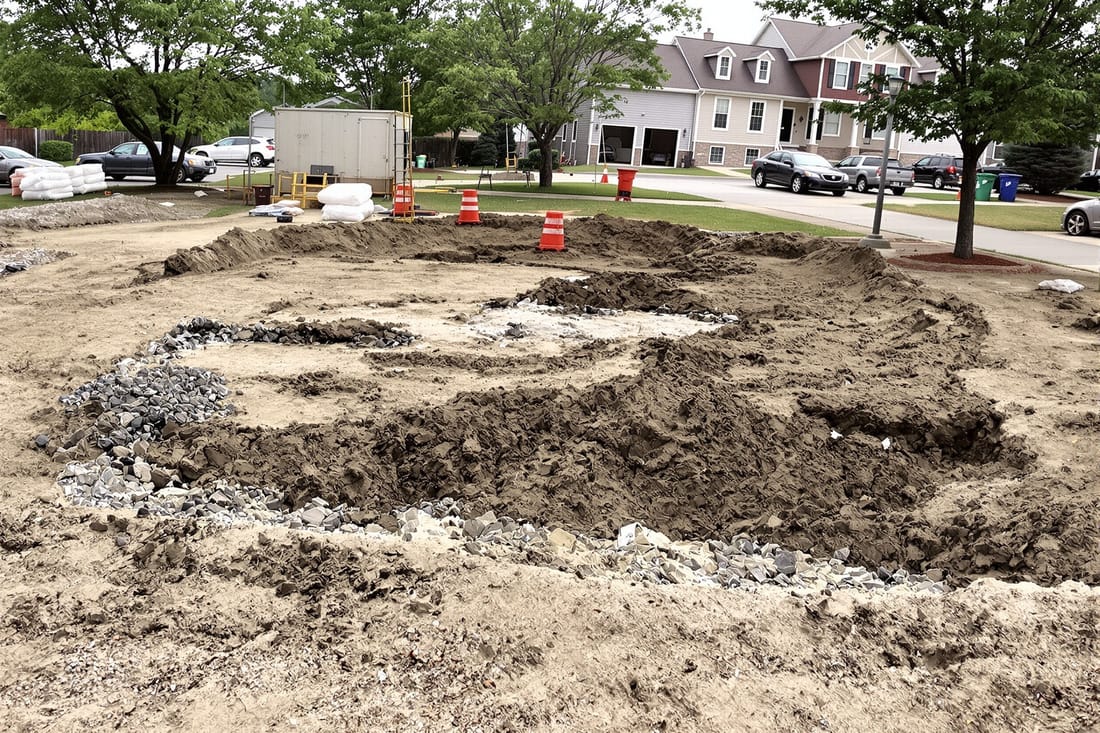
For commercial projects, we start by walking the site with you and looking for drainage routes, compacted areas from trucks or heavy equipment, and existing vegetation that will interfere with seed-to-soil contact. On Central Texas soils, that usually means dealing with caliche, thin topsoil over rock, or hard-packed fill along drives and parking lots. We flag trouble spots, mark utility locations, and identify where water will collect during a storm so we can plan grading and erosion control that works with Austin’s intense rain bursts, not against them.
The goal is simple: a surface that drains correctly, has consistent slopes for mowing, and enough quality soil on top to support deep root growth so your hydroseeded turf survives our hot, dry spells.
How we prepare a commercial site before grading
Commercial hydroseeding site prep begins with clearing and cleaning, not just pushing dirt around. Legendary Hydroseeding Austin removes construction debris, rocks, concrete washout, and stumps that will cause thin grass or make future maintenance hazardous. We also knock down high weed growth and scrub brush so grading can be accurate.
Next we assess compaction. On commercial pads and drives, the subgrade is usually over-compacted to support structures and traffic. That is good for buildings, but terrible for roots. Where the engineering allows it, we mechanically scarify or rip the top 2 to 4 inches to break up the crust so water and roots can move into the soil. In parking lot islands or narrow medians, we often have to bring in and blend soil because there is little depth between pavement base and utilities.
Drainage planning is built into this early stage. We identify swales, inlets, curb cuts, and detention areas, then plan how our grading will direct water into those structures, not across walkways or entrances. In Austin, a one-inch rain in an hour is common, so these early decisions determine whether your new hydroseeded areas erode after the first storm.
Precise grading for drainage, safety, and maintenance
Grading is more than making the site look smooth. For commercial hydroseeding site prep we use laser levels and grade stakes to set slopes that move water away from buildings and hardscapes while staying gentle enough for mowers and pedestrians. Typical lawn and common-area slopes are kept in the 2 to 5 percent range when the site allows. Steeper slopes are shaped into terraces or reinforced with erosion control blankets before hydroseeding.
In Austin, clay-heavy areas can hold water on flat grades, which leads to mud and turf loss around sidewalks and entries. To avoid this, Legendary Hydroseeding Austin builds in subtle crowns or shallow swales so water has a defined path off the surface. Around parking lots, we pay special attention to transitions from asphalt or concrete to soil. These edges are notorious for rutting and washouts, so we often create a slightly raised shoulder or use a coarser topsoil blend that resists erosion at the edge.
If your project includes detention ponds or bioswales, we set grades that meet civil plans but also consider how hydroseeded vegetation will establish. Pond bottoms may need a flatter, compacted base, while side slopes are shaped to accept erosion control matting and a heavier hydroseed mulch that can stand up to periodic flows.
Topsoil selection and installation that fits Central Texas soils
Quality topsoil is not just any dark dirt from a pit. For commercial hydroseeding in Austin, the right topsoil has the structure and organic content to hold moisture through our 100 degree days without turning into concrete when it finally rains. Legendary Hydroseeding Austin sources screened topsoil blends that are matched to your site conditions and the turf or native mix you plan to install.
On thin or rocky native soils, we typically install 3 to 4 inches of imported topsoil for high-visibility lawns and 2 to 3 inches for large open areas, then blend it into the upper inch of subgrade so there is no slip layer between materials. This prevents the topsoil from sliding on slopes during a storm. In heavy black clays, we often recommend a sandier mix with compost added to improve drainage and reduce cracking.
We check each load for oversized rock, trash, and excessive clay. If the soil is too fine and dusty, it will crust after irrigation and block seed emergence. If it is too coarse or full of rubble, roots will struggle and mowers will suffer. Spreading is done with skid steers and tractors, followed by fine grading with rakes or Harley rakes to create a firm, slightly roughened surface that is ideal for hydroseed to lock into.
Topsoil costs are driven by depth, quality, and access. Tight urban sites that require smaller machines or hand work will cost more per square foot than open fields. We discuss these tradeoffs upfront so you know where it makes sense to invest in more soil and where a lighter treatment will perform adequately.
Seasonal timing, erosion control, and Austin-specific challenges
Austin’s climate creates specific timing and erosion issues that directly affect commercial hydroseeding site prep. In spring and early summer, intense thunderstorms can drop heavy rain on freshly graded soil. Legendary Hydroseeding Austin uses temporary erosion controls like silt fence, wattles, and curb inlet protection to keep soil on site and out of storm drains. On longer slopes, we may install biodegradable blankets before hydroseeding to keep the soil from rilling between rain and germination.
In late summer and early fall, heat and drought are the main concerns. We adjust topsoil organic matter and mulch rates so the surface holds more moisture from irrigation. For large commercial projects, we coordinate with your irrigation contractor so the system is pressurized and tested before hydroseeding, not after. Without water on day one, even the best-prepared site will not establish properly in August.
Wind is another local factor. On high, open sites near the hill country edge, lighter topdressing materials can blow and fine soils can dry out quickly. We may choose heavier mulch additives in the hydroseed mix and slightly rougher finish grading so the slurry keys into the soil. These details are discussed during planning so you understand why certain materials are recommended for your particular exposure and soil type.
Costs, project planning, and how to move forward
The cost of commercial hydroseeding site prep in Austin is driven mainly by three things: how much grading is required, how much topsoil is needed, and how accessible the work areas are. Flat, open lots with minimal cut and fill and short haul distances for soil are at the low end. Sites with steep slopes, extensive rock, or tight access behind finished buildings fall higher. Existing issues like standing water, buried debris, or heavily rutted construction traffic lanes also add time and cost but can be handled with the right plan.
Legendary Hydroseeding Austin typically breaks your proposal into clear line items: rough grading, fine grading, topsoil supply and install, erosion control measures, and final hydroseeding. That way you can see where your money is going and adjust scope if you need to phase the work. For example, you might choose full-depth topsoil in front-facing areas and a thinner layer in rear service yards.
Before you hire anyone, ask for specifics on how they will handle compaction, topsoil depth, and erosion in Austin’s weather, not just a generic statement that they “grade and seed.” A detailed plan should mention slopes, drainage paths, soil type, and protection between grading and hydroseeding. When you contact Legendary Hydroseeding Austin, we start with your civil plans and a site walk, then provide a written scope that explains exactly what work will be done so there are no surprises when the first storm hits your new landscape.