Home › Pipeline and Utility Corridor Hydroseeding
We offer pipeline hydroseeding in Austin, TX for transmission lines, pipelines, and utility corridors that require restoration after installation. Our crews reseed long linear trenches and access roads with appropriate mixes for landowner requirements and environmental standards. Continuous vegetation helps control erosion and speed reclamation.
Legendary Hydroseeding Austin provides professional pipeline hydroseeding throughout Austin, TX, Texas and the surrounding area. Our licensed, insured crew delivers safe, clean, on-time work with a free estimate before anything begins. Call 737-237-0380 or request your free quote.
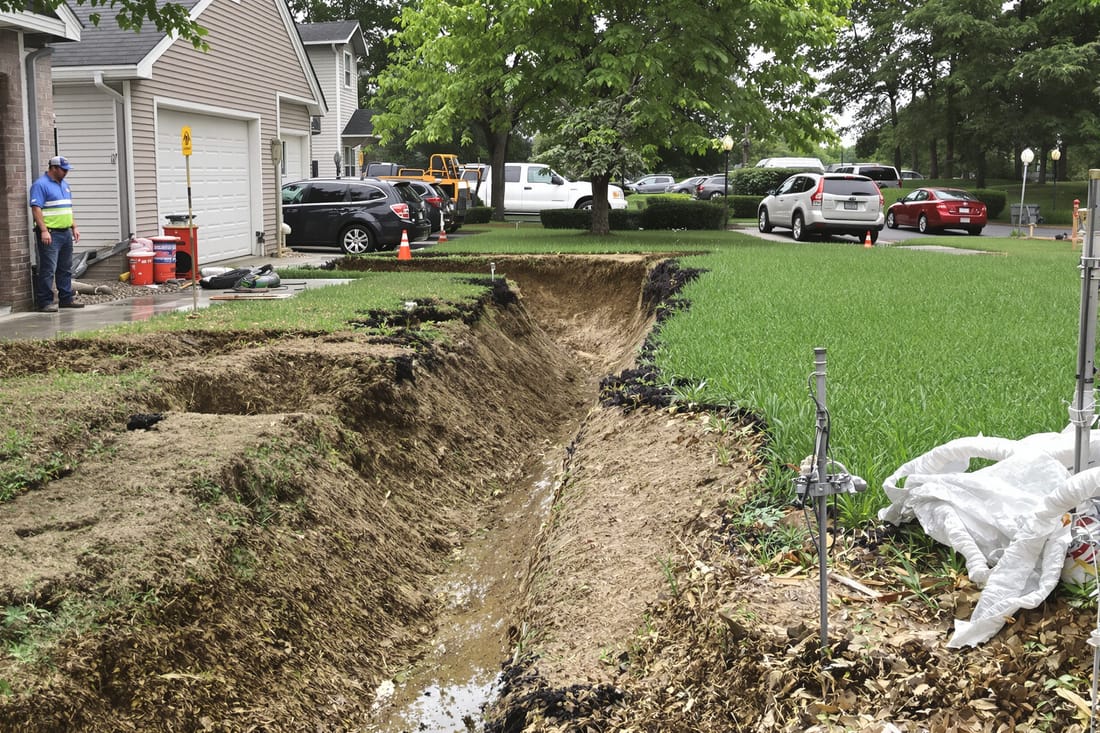
Pipeline Hydroseeding for Central Texas Conditions
Pipeline and utility corridor hydroseeding in the Austin area is less about pretty grass and more about stabilizing disturbed soil fast so it does not wash into creeks, road ditches, and neighboring properties. At Legendary Hydroseeding Austin, we focus on long linear projects that cut across ranch land, new subdivisions, road ROWs, and sensitive hill country slopes, and we design each hydroseed mix around those site realities.
For pipeline hydroseeding in Central Texas, the two biggest challenges are highly erodible cuts in caliche or decomposed granite and intense storm events that can drop several inches of rain in a few hours. Our approach is to match the mulch type and application rate to the slope, soil, and exposure so the seed actually stays in place and germinates. We also coordinate with your construction schedule so seeding happens as soon as final grading is complete, which is critical in our climate where bare soil can ravel or crust over in a matter of days.
How Our Pipeline & Utility Corridor Hydroseeding Process Works
For pipeline and utility corridor hydroseeding, our crew follows a predictable sequence that fits into your overall construction plan.
1. Pre‑site walk and plan: We walk the right of way with your superintendent or inspector, confirm final grades, identify steep sections, stream or drainage crossings, access constraints, and any areas that will be re‑disturbed. We also verify which seed mix is required by your plans or permit.
2. Soil and seed prep: On many Austin corridor projects, we work with compacted subgrade and thin topsoil. When possible, we recommend at least light scarification or tracking to give the mulch something to key into. If the spec calls for compost or topsoil import, we coordinate timing so hydroseeding happens immediately after placement.
3. Tank mix design: In the nurse tank we add water, tackifier, mulch, seed, and any required fertilizer or soil amendments in a specific order. For long runs, we often batch two mixes: a heavier bonded fiber matrix or BFM mix for steep or high‑risk sections and a standard wood or paper mulch mix for flatter, less exposed areas. This keeps the project efficient while still protecting sensitive spots.
4. Application: Depending on access, we use truck‑mounted rigs for open segments and hose runs for tight or soft areas. For long pipelines, we coordinate travel routes so our trucks do not damage newly restored segments. The slurry is applied in overlapping passes for even coverage and to meet your specified mulch rate in pounds per acre.
5. Quality check and punch items: After spraying, we walk critical areas to check for thin coverage, holidays around obstacles, or overspray on adjacent surfaces that need cleanup. We address corrections before demobilizing so your inspector has a clean project to sign off on.
Material Options Tailored to Pipelines and Utility Corridors
Not every segment of a pipeline or utility corridor needs the same hydroseed material. Legendary Hydroseeding Austin selects from a range of mulches, tackifiers, and seed mixes based on the actual risks at each reach.
Mulch types: For high risk slopes, stream banks, and areas near culverts, we usually recommend a bonded fiber matrix or high‑tack wood fiber mulch at elevated application rates. In flatter sections or where budgets are tight, a standard wood fiber or blended mulch may be sufficient while still providing good erosion control. Paper‑only mulches are rarely appropriate for exposed ROWs in Central Texas due to intense rainfall and wind.
Seed mixes: Many Austin pipeline projects are governed by plan‑specified native or adapted seed mixes. When we are allowed to recommend, we often use a quick cover nurse species like annual rye or millet combined with natives such as little bluestem, sideoats grama, and green sprangletop. This gives fast temporary cover and long term stability. For utility corridors in neighborhoods, we can adjust to a more turf‑style mix where homeowners will see and maintain the grass.
Tackifiers and soil amendments: On steep or highly erodible cut slopes, we specify higher tackifier rates or polymer binders to lock the mulch in place. In poor caliche soils, we may include starter fertilizer if the permit allows nutrients, or rely on low‑input mixes where nutrient loading to creeks is a concern. All choices are documented so your environmental team can respond to any regulator questions.
What Drives Cost on Pipeline Hydroseeding Projects
Pipeline hydroseeding pricing in the Austin region is driven by several real world factors, not just acres on the plan sheet. Understanding these helps you budget accurately and avoid surprise change orders.
Access and mobility: Long linear projects with solid access for hydroseed trucks are more efficient and cost less per acre. If the corridor requires extensive hose work, matting of access paths, or shuttle water trucks due to limited sources, expect higher costs due to added labor time and fuel.
Material specifications: Bonded fiber matrices, native seed blends with specific species, organic tackifiers, and fertilizer or soil amendments all affect the per‑acre material cost. Regulatory or owner specifications that call for very high mulch application rates will increase cost but may be justified on high risk slopes.
Staging and phasing: Multiple small mobilizations to cover short completed segments will raise your total cost compared to fewer, larger mobilizations on consolidated areas. When possible, we work with your construction manager to phase restoration logically so we can cover larger segments in a single visit.
Re‑work risk: Exposed sites scheduled just before rainy seasons, or where other trades may disturb completed areas, often require contingency for touch‑ups. Addressing these risks in planning and fencing off completed sections can save on re‑seeding later.
Local Regulations, Environmental Requirements, and Compliance
Pipeline and corridor work in and around Austin usually falls under stormwater and environmental rules that treat disturbed soil as a source of pollution. Hydroseeding is often specified as a stabilization measure in your SWPPP or by the municipality.
For projects in the City of Austin limits or its ETJ, final stabilization of disturbed areas is required before you can close out your construction site permit. Hydroseeding is an accepted method when it achieves uniform vegetative cover and eliminates bare spots. Legendary Hydroseeding Austin uses mixes and rates that align with local stormwater manuals, and we can provide coverage documentation, application dates, and product data sheets if your inspector or third‑party environmental consultant requests them.
Where corridors cross creeks, critical water quality zones, or water supply watersheds, we pay particular attention to buffer requirements, no‑mow or native restoration zones, and access restrictions. If your project includes federal or state agency oversight, such as work near endangered species habitat, we coordinate seed choices and application windows with your environmental team so hydroseeding supports your permit conditions instead of creating a conflict.
Why Austin Contractors Choose Legendary Hydroseeding Austin
On pipeline and utility corridor work, you need a hydroseeding subcontractor who can keep up with the schedule, handle changing field conditions, and still deliver compliant stabilization. Legendary Hydroseeding Austin focuses on that combination rather than chasing every type of landscape work.
Our crews are familiar with the realities of working along ROWs through the Hill Country, Blackland Prairie, and infill Austin neighborhoods. We understand the difference between seeding a remote easement off FM 620 and working in tight corridors parallel to active streets or existing utilities. We plan water sourcing around local availability, whether that means potable hydrant fills with permits, non‑potable sources where allowed, or on‑site storage tanks.
Before you award the hydroseeding portion of your pipeline or utility corridor project, confirm that your contractor can supply appropriate material submittals, respond quickly during narrow weather windows, and adjust to field changes without holding up other trades. If you want straightforward communication, clear pricing, and realistic scheduling around Central Texas weather patterns, Legendary Hydroseeding Austin is set up to support that kind of work.