Home › Construction Site Erosion Control Hydroseeding
We specialize in construction erosion control hydroseeding in Austin, TX for disturbed soils on active jobsites. Our applications help you meet SWPPP requirements, protect against sediment loss, and keep inspectors satisfied. From rough graded pads to steep cut slopes, we provide timely stabilization that fits your schedule.
Legendary Hydroseeding Austin provides professional construction erosion control hydroseeding throughout Austin, TX, Texas and the surrounding area. Our licensed, insured crew delivers safe, clean, on-time work with a free estimate before anything begins. Call 737-237-0380 or request your free quote.
Hydroseeding for Construction Erosion Control in Austin
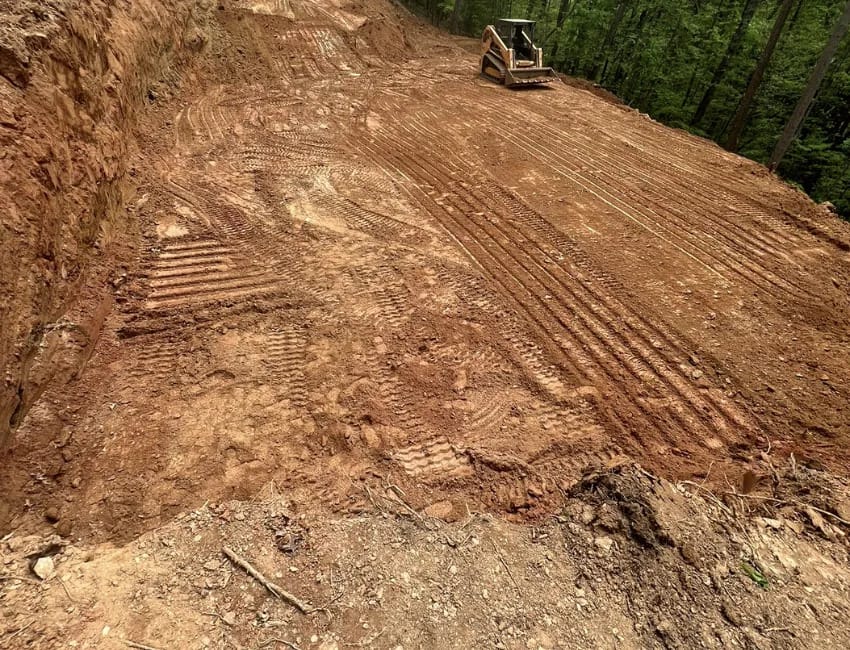
On active construction sites around Austin, bare soil can wash away in a single storm, clogging storm drains and creating compliance headaches. Legendary Hydroseeding Austin focuses on construction erosion control hydroseeding that is designed specifically for our Central Texas soils, steep cuts, and unpredictable rain events.
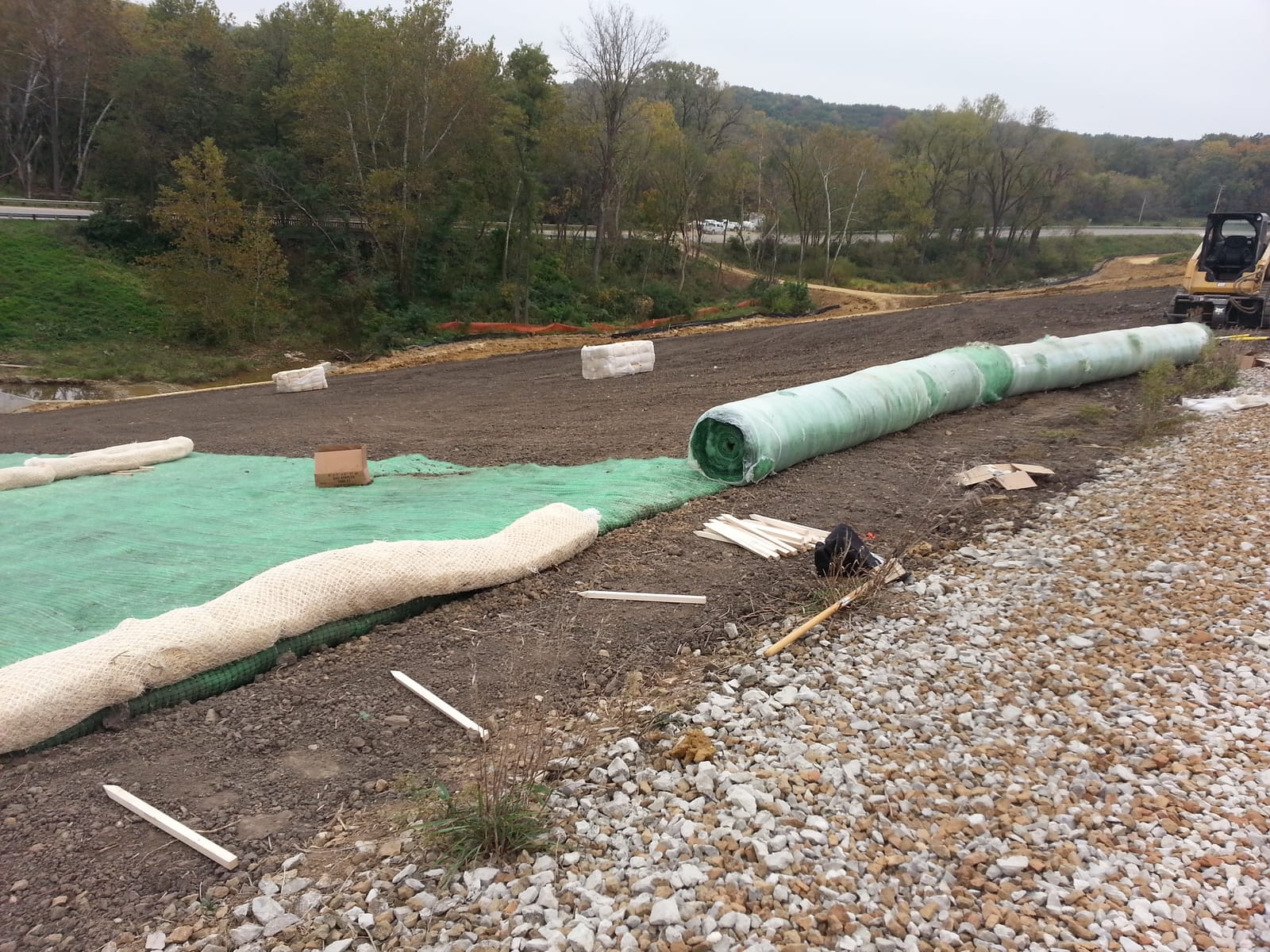
Instead of rolling out blankets everywhere, we spray a slurry of seed, fertilizer, mulch, and tackifier directly onto exposed soil. Once cured, this forms a protective mat that holds soil in place while vegetation establishes. For builders, developers, and general contractors, this approach can help meet stormwater and TPDES requirements while keeping access routes and work areas usable.
We regularly work on residential subdivisions, commercial pads, utility trenches, and roadway projects around Austin and the surrounding Hill Country. Our team understands the tight schedules, inspection pressures, and change orders that construction sites face, so we plan hydroseeding around your site access and milestones instead of slowing your project down.
How Construction Erosion Control Hydroseeding Works Step by Step
We start with a site walk where we flag slopes, drainage paths, and any sensitive areas like inlets or channels. For construction erosion control hydroseeding, we pay special attention to slope length, steepness, and where water naturally concentrates after a storm. This initial assessment tells us whether standard mulch rates are enough or if you need heavy applications and extra tackifier.
Next, we coordinate with your grading or earthwork crew. Hydroseeding works best when final grade is set and large rocks or debris are removed. If the soil is heavily compacted, we may recommend light scarification so roots can penetrate better. For Austin caliche and clay-heavy areas, this step is especially helpful to get a strong stand of vegetation.
We then mix the hydroseeding slurry in our tank on site. The mix typically includes a custom grass seed blend suited for Central Texas construction sites, a high-performance wood or blended mulch, a starter fertilizer, and a polymer or fiber tackifier that helps the slurry lock onto the soil. For critical slopes or drainage channels, we increase mulch and tackifier rates and may add a soil binder additive.
Once the mix is ready, we apply it using truck-mounted and hose-fed spray equipment. Our crew adjusts the pressure and nozzle pattern so the slurry reaches every part of the slope without washing or streaking. Corners around structures, behind retaining walls, and tight access strips get detailed hand-hose work to avoid bare spots. After spraying, we verify coverage, especially around inlets and transitions where water will concentrate.
Materials and Seed Mixes Tailored to Austin Construction Sites
Legendary Hydroseeding Austin does not use a one-size-fits-all mix for construction erosion control hydroseeding. Instead, we design seed blends around your schedule and erosion risk. For fast cover in warm months, we often include quick-germinating annual grasses that provide a temporary root system, paired with longer-lasting turf or native species that take over later.
On subdivision slopes and detention ponds, we frequently use a mix of Bermuda or buffalo with annual rye or other nurse grasses if timing allows. For very steep cut slopes with thin soil over rock, we may lean more on deep rooting natives like switchgrass or little bluestem, which handle heat and limited irrigation better once established. In shaded utility easements or areas near tree lines, we adjust species to tolerate less sun.
Mulch selection is equally important. For mild slopes and gentle grades, standard wood or paper/wood blended mulch provides enough cover. On 3:1 or steeper slopes, or where construction traffic will be near the edge, we usually specify higher rates of 100 percent wood fiber mulch for better soil contact and water holding. Tackifiers and soil binders are calibrated to the specific mix and slope so the slurry stays put during intense Austin thunderstorms.
If your project has specific guidelines from a civil engineer or landscape architect, we work off those specs and match or improve on the recommended seed mix, mulch rate, and application methods. We can also provide mix details and product data sheets for submittals and approvals.
What Drives Cost for Construction Erosion Control Hydroseeding
Most contractors want to understand why one slope costs more than another. For construction erosion control hydroseeding in Austin, the main cost drivers are area size, slope conditions, site access, and specified materials.
Steeper or longer slopes typically require higher mulch and tackifier rates, which increases material and application costs. Difficult access, such as slopes behind buildings, over fences, or down long easements, may require more hose work or smaller loads that take extra time. Sites where trucks can pull right up to the work area are usually more economical.
Seed and mulch grade also matter. An engineered native mix or high-end erosion control mulch costs more than a basic temporary seed blend with standard mulch. If your permit or engineer requires premium products or specific species, we match those specs exactly and price accordingly. Projects that need phased work, night or weekend mobilizations, or repeated mobilizations for different portions of a subdivision can also affect the total.
When we prepare a quote, we break out the major factors and can often give cost options. For example, one option may prioritize fast temporary cover to quickly address compliance, while another combines temporary and permanent vegetation in a single application. This transparency helps project managers and estimators choose what fits both the budget and the erosion risk.
Common Site Challenges in Austin and How We Handle Them
Austin construction sites face a mix of shallow rocky slopes, sticky clay, and intense short-duration storms. These conditions can defeat generic erosion measures. That is why our construction erosion control hydroseeding approach is built around local experience.
On caliche cut slopes where topsoil is limited, we often recommend importing a thin topsoil layer on the most visible or critical faces, or using enhanced mulch rates so roots have more organic material to grow into. In high-clay areas that crust after a rain, we may time hydroseeding after light cultivation or roughening, which helps the slurry grip the surface and improves infiltration.
Areas near inlets and curb openings are a particular concern because inspectors focus on them. We typically reinforce these spots with extra tackifier, higher mulch density, or pair hydroseeding with a complementary control such as rock bags, curb socks, or small check structures in ditches. For channels that carry concentrated flow, we sometimes use hydroseeding in combination with erosion control blankets or turf reinforcement mats, with the seed and slurry sprayed through or under the mat for better long-term stability.
We also account for construction traffic. If equipment will cross a seeded slope or access road, we may delay hydroseeding that portion or clearly mark and protect the treated areas. When damage is unavoidable, we schedule quick touch-up visits to reapply slurry before the next big rain.
What Austin Contractors Should Know Before Scheduling Hydroseeding
Successful construction erosion control hydroseeding depends on timing and coordination. The best time to schedule is after final grading when heavy equipment traffic on the treated area is mostly complete. If paving, utility work, or retaining wall construction is still ongoing adjacent to the slope, we work with your superintendent to phase our applications so newly seeded areas are not repeatedly disturbed.
Season matters too, but in Central Texas we can usually work almost year-round by adjusting seed choices. Warm season grasses perform best in late spring through early fall, while cool season nurse species can help provide cover in cooler months. If you are working under a tight deadline for a bond release or inspection, tell us your target date so we can recommend a mix and application window that gives you the best chance of visible growth in time.
Site water availability is another practical consideration. Hydroseeding uses water in the slurry, but post-application irrigation is often what determines how quickly vegetation establishes. If irrigation is not available, we factor local rainfall patterns into our recommendations and may lean toward more drought-tolerant species and heavier mulch. We will also provide clear aftercare guidelines so your crew knows what to expect and what simple steps, like limiting foot traffic on slopes, can protect the investment.
When you contact Legendary Hydroseeding Austin, having a grading plan, slope measurements, or even just site photos ready helps us deliver an accurate proposal quickly. We treat your erosion control as a critical part of keeping the project on schedule and in compliance, not as an afterthought.