Home › Landfill and Mine Reclamation Hydroseeding
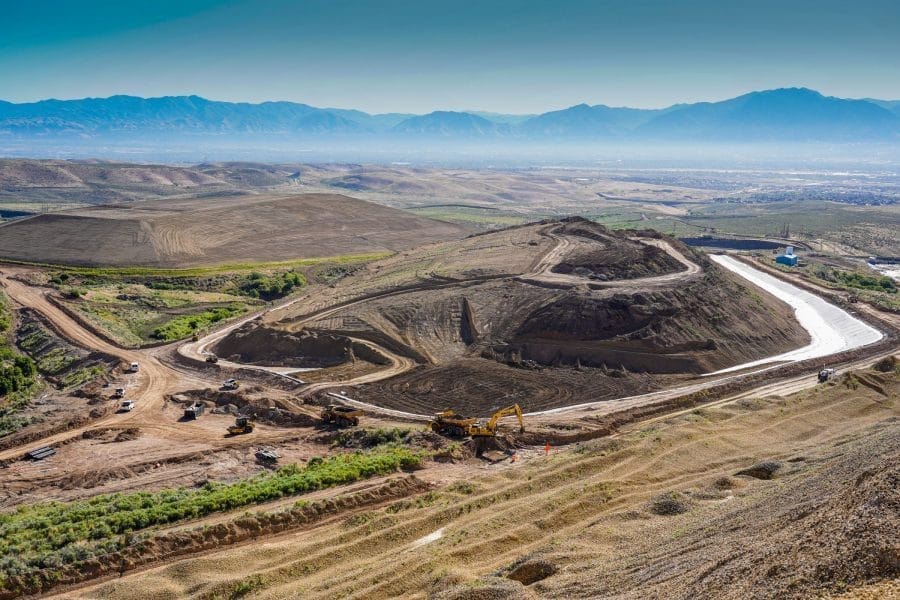
We provide landfill reclamation hydroseeding in Austin, TX for closed landfills, quarries, and mine sites that need long term stabilization. Our large scale equipment, durable seed blends, and erosion control products help control dust, reduce runoff, and restore vegetation. We coordinate with engineers and regulators to meet closure requirements.
Legendary Hydroseeding Austin provides professional landfill reclamation hydroseeding throughout Austin, TX, Texas and the surrounding area. Our licensed, insured crew delivers safe, clean, on-time work with a free estimate before anything begins. Call 737-237-0380 or request your free quote.
Landfill Reclamation Hydroseeding in Austin, TX
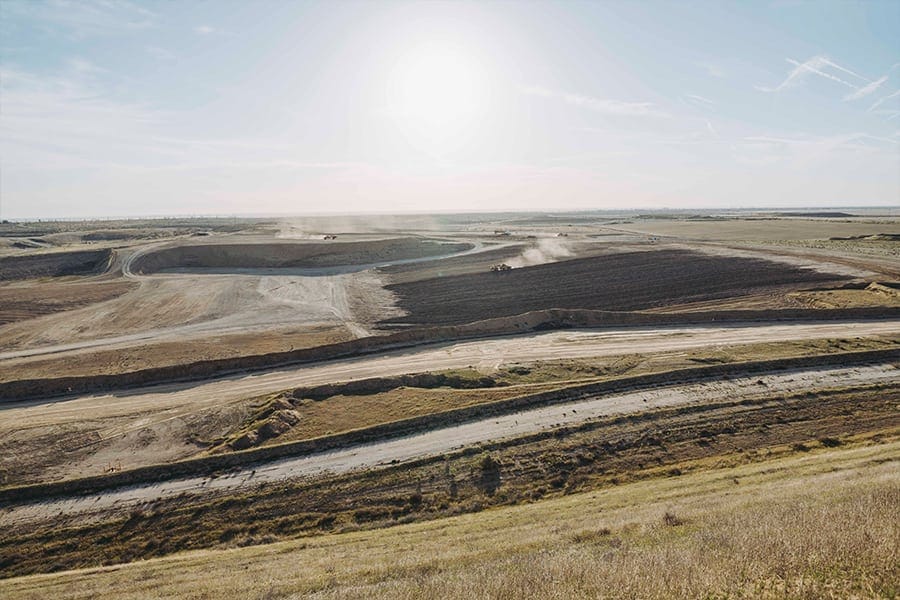
Closed landfills and disturbed mine sites around Austin need more than just a layer of dirt. Without a properly engineered vegetation system, you face erosion, exposed trash or tailings, and compliance issues with TCEQ and local stormwater rules. Legendary Hydroseeding Austin focuses on landfill reclamation hydroseeding that stabilizes your caps, protects slopes, and helps you meet regulatory requirements long term.
We know the conditions around Central Texas landfills and quarries very well: high heat, intense storm events, shallow engineered caps, and soils with almost no organic matter. Our team designs custom hydroseeding mixes that work for these realities instead of relying on generic “highway” blends. Whether you manage a municipal solid waste landfill in eastern Travis County, a closed industrial disposal site, or an exhausted limestone quarry in the Hill Country, we tailor the approach to your exact closure plan and performance criteria.
From initial site evaluation to final punch‑list inspections, Legendary Hydroseeding Austin provides a direct, technical partnership. We speak the same language as your civil engineer, environmental consultant, and regulator, so details like slope length, hydraulic soil loss tolerance, and seed purity are handled correctly, not guessed at on site.
How Landfill and Mine Reclamation Hydroseeding Works
Reclamation hydroseeding is more complex than standard lawn work. The process begins with a walk‑through of the entire cap or pit area, including slopes, benches, access roads, and any drainage swales. We look at your closure drawings, confirm final grades, and test surface soils or imported cover for pH, compaction, and organic content. For many Austin sites, that means dealing with tight clay or rocky fill that sheds water instead of absorbing it.
Once we understand the conditions, we select a mulch system suited to your slopes and rainfall risk. On flat and gently sloped caps we may use a wood‑fiber or blended fiber mulch for basic protection. On steeper landfill side slopes or reclaimed mine highwalls, we step up to a bonded fiber matrix (BFM) or flexible growth medium (FGM). These create a continuous mat that locks to the soil, so the seed and fertilizer are not washed away during those sudden Central Texas thunderstorms.
We then build a seed and amendment recipe specific to your closure requirements. That typically includes a combination of deep‑rooted native grasses for long‑term stability, fast‑germinating nurse species for quick cover, and soil amendments such as slow‑release fertilizer, tackifier, and sometimes lime or gypsum if testing calls for it. The hydroseeding slurry is mixed on site in our mechanically agitated tanks and applied by hose or tower cannon so we can reach long slopes and difficult access areas safely and evenly.
After application, we coordinate with you on temporary irrigation plans if required, traffic control on access roads, and protection of the new vegetation from early mowing or damage by heavy equipment. On many Austin area projects, we schedule follow‑up inspections within the first 30 to 60 days to confirm germination and coverage, then recommend touch‑up seeding only where it is actually needed.
Specialized Seed Mixes for Central Texas Landfills and Mines
The seed mix is the backbone of successful landfill reclamation hydroseeding. Legendary Hydroseeding Austin does not rely on off‑the‑shelf blends that were designed for wetter, cooler climates. We work with local suppliers and conservation‑grade seed producers to build mixes that tolerate Central Texas heat, seasonal drought, and poor soil conditions.
For permanent cover on Austin landfills and quarries, we often incorporate native warm‑season grasses such as little bluestem, sideoats grama, and green sprangletop. These species develop deep roots that help lock your final cover system in place and reduce long‑term erosion. To provide quick green cover and dust control, we include nurse grasses like annual rye or sterile hybrid varieties that establish fast, then decline as the natives take over.
On industrial or legacy sites where regulators have specific habitat requirements or concerns about invasive species, we can develop custom, project‑specific specifications. This can include forb and wildflower components to support pollinators, or strict limits on aggressive species. We can also provide non‑legume mixes where nitrogen‑fixing plants are restricted due to gas collection systems. Every mix is built with seed tags and purity information so your environmental consultant can document compliance.
Where mine reclamation involves thin soils over rock, we design mixes that tolerate low fertility and shallow rooting depths. We may combine seeding with compost blanket or soil‑builder additives in the hydroseeding slurry to help create a functioning topsoil layer over time.
Addressing Erosion, Steep Slopes, and Harsh Site Conditions
Landfill side slopes and mined benches around Austin present unique erosion challenges. Steep faces, long slope lengths, and highly compacted clay caps can cause water to move quickly across the surface, which strips away unprotected soils. Legendary Hydroseeding Austin evaluates every slope for gradient, length, and flow patterns before choosing a stabilization system.
For slopes under about 3:1, a high‑quality wood‑fiber mulch with tackifier in the hydroseeding slurry often provides adequate protection. On steeper slopes or areas where runoff concentrates, we use BFMs or FGMs that cure into a durable, flexible mat. In critical zones, such as down‑chutes or drainage swales, we can integrate hydroseeding with erosion control blankets, turf reinforcement mats, or rock check structures supplied by your civil contractor.
Harsh site conditions also include wind exposure on landfill peaks, access limitations for heavy rigs, and areas with very shallow soil cover over geomembranes. We utilize long‑reach spray systems and carefully controlled application pressures to avoid damaging liners or cover systems. Where equipment access is limited, we stage materials at the landfill toe and use hoses to reach upper slopes, or coordinate with your crew for safe spot‑seeding from temporary benches.
For mine reclamation around Austin, such as former limestone pits, shallow soils over fractured rock can dry out rapidly. In these cases, we often recommend higher mulch rates, moisture‑retaining polymers when appropriate, and scheduling hydroseeding just ahead of the most reliable local rain windows so the seed has a better chance to establish without full irrigation systems.
What Drives Cost in Landfill Reclamation Hydroseeding
Owners and engineers often ask what controls the price of reclamation hydroseeding. Legendary Hydroseeding Austin is transparent about these factors so you can plan budgets and compare bids accurately. The primary drivers are acreage, slope difficulty, access conditions, and the specification for mulch and seed materials.
Flat or gently sloped caps with good access allow faster production with fewer crew hours per acre. Steep landfill side slopes, long hose runs, or areas reachable only from one access point slow production and increase labor and equipment time. When your specification calls for BFMs or FGMs instead of standard mulch, material costs per acre increase, but so does performance on challenging slopes.
Seed mix complexity and quality also affect cost. Native heavy mixes, specialty habitat blends, or nonstandard species required by a regulatory permit are more expensive than basic turf mixes. However, on a long‑term reclamation project, the right seed mix can reduce future repair and maintenance costs, so it is usually worth evaluating life‑cycle cost, not just initial price.
Other cost factors include surface preparation requirements, such as roughening compacted caps, importing topsoil or compost, or installing supplemental erosion controls that work in tandem with hydroseeding. We are happy to review your plans before you go out to bid so that your bid items match the actual field conditions and you are not surprised by change orders later.
Common Problems on Reclamation Projects and How We Prevent Them
Landfill reclamation hydroseeding and mine closure work can run into predictable problems if they are not anticipated. Thin or patchy germination, rilling on slopes, and seed loss from heavy rainstorms are the most common. Legendary Hydroseeding Austin uses both specification review and on‑site adjustments to prevent these issues before they show up on your monitoring reports.
Patchy germination is often caused by inadequate soil contact, uneven application, or severe compaction. We address this with proper surface roughening where allowed by the cap design, careful calibration of our hydroseeding equipment, and consistent spray patterns from our operators. For very smooth geomembrane cover systems with thin soil, we adjust mulch and tackifier rates so that the slurry stays in place and protects the seed.
Erosion rills and washouts typically occur in predictable areas, such as the transition between benches and slopes, or where downspouts and drains discharge. We flag these zones during our initial walk‑through and recommend supplemental controls like check dams, rock energy dissipators, or reinforced mats. When heavy storm events occur after installation, we can mobilize quickly for spot repairs, reseeding, and reinforcement so that small issues do not become reportable failures.
Another common problem in Central Texas is the timing of work relative to temperature and rainfall. Seeding at the wrong time of year can lead to dormancy or failure. We schedule permanent native seeding in the windows that best match each species group and use appropriate nurse crops to bridge seasonal gaps. When tight construction schedules force off‑season seeding, we adjust mixes and mulch strategies and provide realistic expectations about potential follow‑up work.
Why Austin Facilities Choose Legendary Hydroseeding Austin
Environmental managers, municipal landfill operators, and mining companies around Austin choose Legendary Hydroseeding Austin because we focus on performance and compliance, not just square footage. Our team understands that your closure projects are judged by vegetation density, erosion control, and regulatory sign‑offs, so our work is aimed directly at those outcomes.
We coordinate closely with your engineer or environmental consultant to align our approach with your closure plan, stormwater pollution prevention plan, and post‑closure care obligations. That includes providing material certifications, seed tags, and application records that can be included in your submittal packages. When inspectors visit, you have clear documentation that the specified hydroseeding system was installed.
Because we work exclusively in Central Texas, we have years of practical experience with the weather patterns, soil types, and operational realities of active and closed landfills and quarries in this region. Whether your site is a smaller municipal landfill serving a single community or a multi‑cell regional facility, we scale our crews and equipment to cover large areas efficiently without sacrificing quality on critical slopes and drainage features.
If you are planning a new closure phase, struggling with a past reclamation attempt that never fully established, or preparing for a regulatory inspection, Legendary Hydroseeding Austin can evaluate your site and provide a clear, actionable plan. Our goal is simple: stable, vegetated landfill and mine surfaces that hold up under Austin’s climate and meet the standards in your permits.