Home › Slope, Embankment, and Retention Pond Hydroseeding
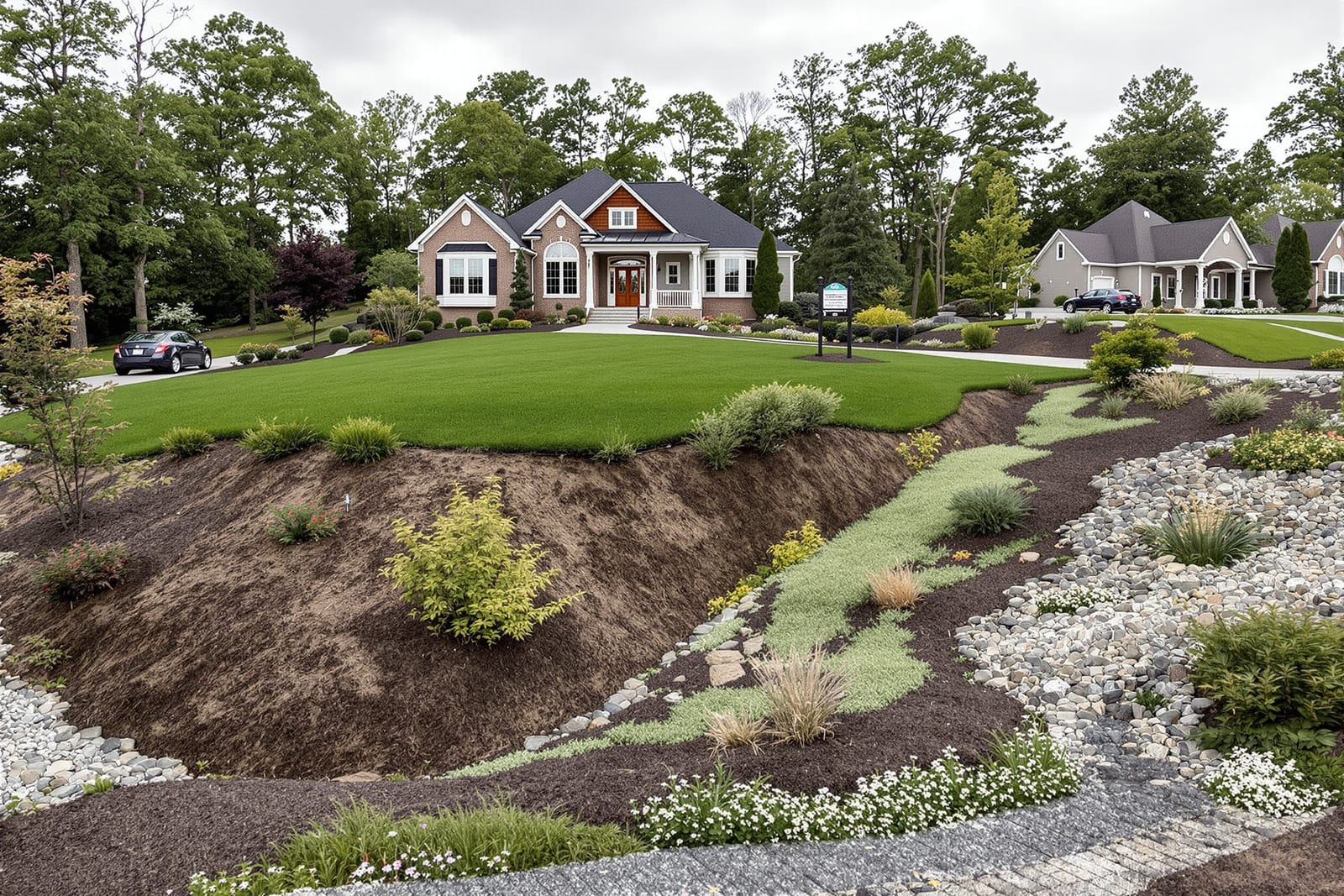
We handle commercial slope hydroseeding in Austin, TX for retention ponds, embankments, and channels. Our engineered seed and mulch mixes are selected for steep terrain and fluctuating water levels. Properly vegetated slopes improve safety, reduce erosion, and help you meet regulatory and maintenance requirements.
Legendary Hydroseeding Austin provides professional commercial slope hydroseeding throughout Austin, TX, Texas and the surrounding area. Our licensed, insured crew delivers safe, clean, on-time work with a free estimate before anything begins. Call 737-237-0380 or request your free quote.
Slope and embankment hydroseeding that holds up in Central Texas conditions
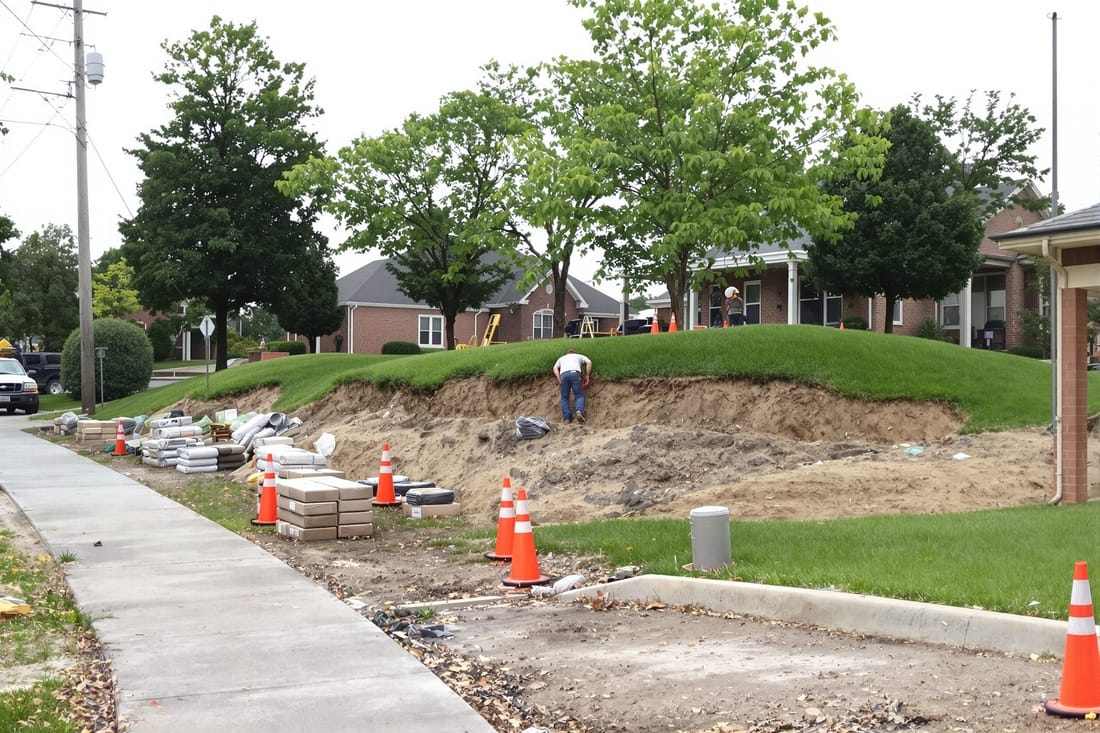
Steep slopes in Austin do not get a second chance. Between intense thunderstorms, shallow rocky soils, and long dry spells, any bare embankment will ravel, rut, and wash out if it is not stabilized correctly. Legendary Hydroseeding Austin focuses specifically on commercial slope hydroseeding that is built for Central Texas weather, not a generic national spec.
Our crews work on highway embankments, commercial developments, detention and retention ponds, channels, and large residential communities. Before we ever mix a tank, we look at three things: slope angle, soil condition, and how water moves across and off the site. A 2:1 highway slope with thin caliche needs a very different hydroseeding package than a 4:1 office park berm with heavy clay. We adjust mulch types, tackifiers, and seed blends based on those conditions so you are not paying for a one size fits all approach that may fail during the first big storm.
For many local projects, we tie into TxDOT or City of Austin requirements when they apply, then adapt them to the specific site. That might mean a heavier mulch rate on the windward side of a project near SH 130, or a more aggressive warm season grass blend on a south facing slope that bakes in August. The goal is simple: fast coverage, strong root systems, and surfaces that stay put when a 2 inch rain hits in an hour.
How commercial slope hydroseeding is actually installed
On sloped and embanked sites, hydroseeding is only as good as the preparation. Legendary Hydroseeding Austin begins with grading and surface prep coordinated with your earthwork contractor. We look for rills, soft spots, and over steepened cuts that will fail later. Where possible, we ask for final grading with a tracked machine so the surface is lightly textured, which helps the mulch lock in instead of sliding.
Once the grade is right, we address compaction and topsoil. On some projects, the spec calls for 4 inches of imported topsoil or compost amended soil. On others, we scarify the native soil and blend in organic matter so roots can penetrate. We check for debris, trash, and large rock that will interfere with uniform coverage, especially on retention pond side slopes.
Hydroseeding itself is done using high capacity hydroseeder trucks or trailers, depending on access. We batch the slurry on site: water, wood or blended mulch, fertilizer (if allowed by the stormwater plan), tackifier, and a project specific seed mix. For steep slopes we commonly run wood fiber or wood/cellulose hybrid mulch at 2,000 to 3,500 pounds per acre, with tackifiers and sometimes a bonded fiber matrix (BFM) as needed. The operator sprays from a turret cannon on very steep or inaccessible areas and from hose lines on tighter spots or around structures. We work in passes from the top down so the material lands into the slope, not off it.
After application, we walk the site and check for thin spots, missed wedges between slope benches, and areas around culverts or inlets that may need a second pass or additional reinforcement. For many commercial slope hydroseeding projects, we coordinate with your erosion control subcontractor to integrate silt fence, rock checks, or curb inlet protection so runoff is controlled while the new cover establishes.
Seed mixes, mulch systems, and options for Austin slopes and ponds
Central Texas slopes do best with regionally adapted grasses and, in some cases, wildflowers. Legendary Hydroseeding Austin typically uses custom blends rather than off the shelf bags, so we can match your project goals and regulatory requirements.
For solar farms, business parks, and large campuses, we often specify a mix of Bermuda grass (common or improved varieties), native warm season grasses like sideoats grama, little bluestem, and buffalograss, and a nurse crop like annual rye if installation happens in the cooler months. For roadside and high traffic embankments, we lean on tough, fast establishing species like Bermuda and buffalo with minimal wildflower content so maintenance stays simple.
Retention and detention pond slopes are a separate case. These areas see periodic inundation, fluctuating water levels, and increased nutrient loads. We select species that can tolerate brief flooding at the toe, with deeper rooted natives higher up the side slopes for long term stability. Around permanent pools, we may incorporate facultative wetland species or recommend separate shoreline plantings installed after hydroseeding.
Mulch and tackifier choices also matter. On milder slopes and sheltered areas, a standard wood or blended mulch with tackifier may be sufficient. On steeper slopes, wind exposed embankments, or areas where sediment control is critical, we step up to BFMs or flexible growth media that create a continuous mat. When specs or budgets call for it, we tie hydroseeding into erosion control blankets by seeding under or through blankets and securing the blanket mechanically along the slope.
What drives cost on slope, embankment, and retention pond hydroseeding
Pricing for commercial slope hydroseeding in the Austin area is mainly influenced by four factors: access, slope conditions, material choices, and timing.
Access is often the biggest hidden cost. If our crews can reach most of the work from roads or benches with the hydroseeder truck, production is fast and cost per acre drops. If we need long hose runs down into ponds, around active construction, or across rough rock, productivity slows and labor costs rise. Difficult access may also require smaller machines and more trips to refill water.
Slope conditions dictate how much material is needed. Steeper slopes, highly erodible soils, and pond embankments that hold water for long periods often require higher mulch rates, upgraded BFMs, and heavier tackifier applications. A 3:1 cut slope in clay with good access may come in at a baseline rate. A series of 2:1 pond embankments with poor access and a BFM specification will cost more per square foot.
Material options also move the number. Custom native seed mixes, wetland tolerant species, or specified cultivars for corporate campuses are more expensive than a standard Bermuda based blend. Some projects prohibit fertilizer under stormwater permits, which changes our product mix but not necessarily cost. Others require organic fertilizers or soil amendments, which add both material and application costs.
Timing and phasing matter in Austin. Hydroseeding in the core warm season window (roughly late March through early June, then again in September) gives the best establishment and the lowest risk of rework. Seeding outside those windows is possible, but it may require temporary nurse crops, repeat visits, or acceptance of slower germination. If your construction schedule forces a winter installation, we will outline realistic expectations and any cost impacts upfront.
Dealing with Austin weather, erosion risks, and common failures
Storm intensity around Austin has increased, and that shows up first on slopes and pond embankments. Legendary Hydroseeding Austin designs every commercial slope hydroseeding project around the assumption that the site will see at least one serious storm before full grass cover is achieved.
Common failure points include concentrated flow paths where water naturally channels, transitions between cut and fill slopes, inside corners on retention ponds, and around inlets and outfalls. We flag those areas early and may recommend additional erosion control like rock riprap, turf reinforcement mats, or concrete flumes, even when the rest of the slope only needs hydroseeding.
On fine sandy or silty soils, we often see rilling and sheet erosion if mulch rates are too light or tackifier is skipped. Our standard practice on vulnerable slopes is to increase mulch density and tackifier, and, on very steep faces, to specify BFMs that cure into a cohesive matrix. We also pay close attention to slope breaks, benches, and toe drains. If water cannot get off a slope in a controlled way, no amount of seed and mulch will compensate.
Another frequent issue in Central Texas is drought shortly after a seeding event. Hydroseeding is not a substitute for irrigation. On critical infrastructure or high visibility commercial sites, we discuss temporary irrigation, water truck watering, or at least an emergency watering plan if the first 3 to 4 weeks after seeding turn dry. Where permanent irrigation is available, we coordinate recommended watering schedules so the root zone stays moist without creating runoff problems.
What to expect when you hire Legendary Hydroseeding Austin
Commercial slope hydroseeding projects often involve multiple parties: general contractors, civil engineers, inspectors, and property owners. Legendary Hydroseeding Austin is used to working in that environment and keeping everyone aligned.
Our process starts with a plan review. We look at your civil drawings, landscape and erosion control sheets, and any TxDOT or City of Austin specifications. If we see gaps or conflicts, such as a seed mix that will not perform well on a particular aspect or a mulch rate that is too light for the slope, we will suggest alternatives before mobilization.
Next, we schedule around your grading and utility work so we are not seeding on top of unfinished slopes or areas that will be disturbed again. For retention and detention ponds, we confirm that inlets, outlets, and low flow channels are installed and that permanent pool elevations are known so we do not seed where permanent standing water will cover the new grass.
During production, you can expect clear updates on what has been completed each day, areas that may need protection from traffic, and any changes required if field conditions differ from the plans. After application, we provide basic establishment guidelines, notes on any recommended temporary irrigation, and realistic timelines for cover development.
Most important, we stand behind the work. If a major storm tears up a newly hydroseeded area under reasonable conditions, we will walk the site with you, determine what failed and why, and propose a targeted fix instead of simply repeating the same approach.