Home › Solar Farm and Energy Project Hydroseeding
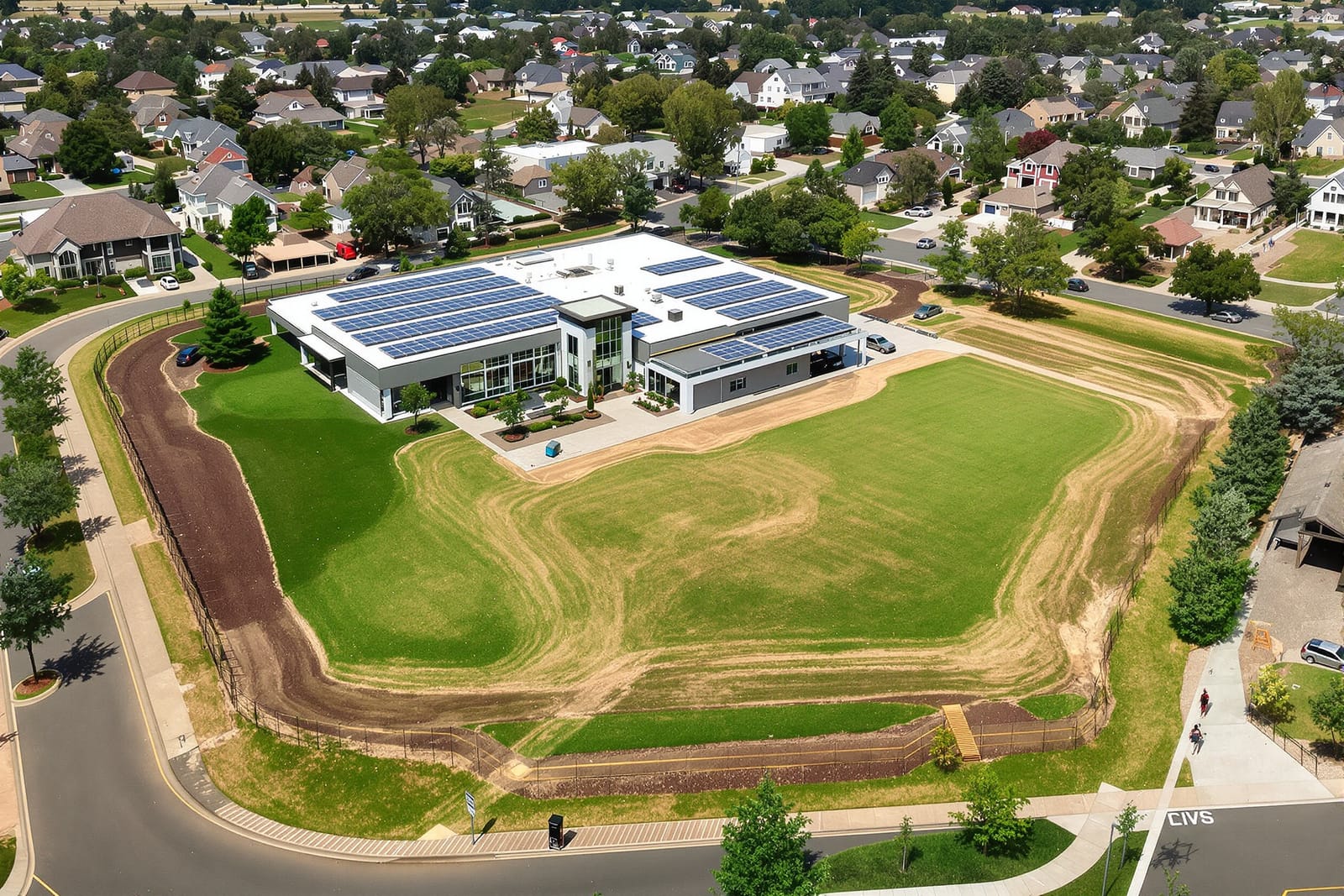
We perform solar farm hydroseeding in Austin, TX for utility scale and distributed energy projects. Our low growing, shade tolerant mixes help control erosion while minimizing maintenance and panel shading. We coordinate with project teams to sequence seeding around construction, cabling, and racking installation.
Legendary Hydroseeding Austin provides professional solar farm hydroseeding throughout Austin, TX, Texas and the surrounding area. Our licensed, insured crew delivers safe, clean, on-time work with a free estimate before anything begins. Call 737-237-0380 or request your free quote.
Solar farm hydroseeding that works with Central Texas conditions
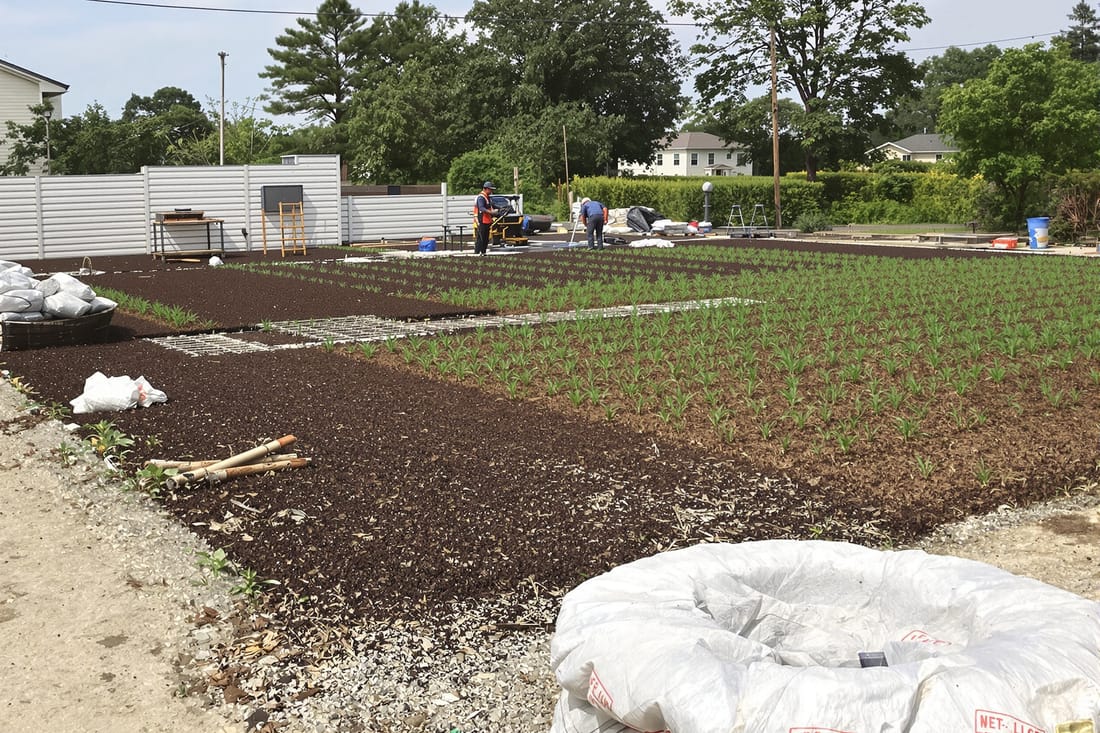
Solar farm hydroseeding in the Austin area is its own kind of project. You are not just growing grass. You are stabilizing disturbed soil, protecting high‑value equipment, and trying to keep long‑term maintenance costs under control. At Legendary Hydroseeding Austin, we design every solar and energy site mix and application method around Central Texas soils, steepness of the runs between arrays, and how water moves across your site during a storm.
Most solar farm work around Austin sits on clay or clay‑loam soils that crust and shed water when they are bare. That leads to rills forming under the rows, sediment pushing up against posts, and mud collecting near inverters and access roads. A proper hydroseed plan breaks that cycle. We use seed mixes that root fast, hold slopes, and stay low enough that they can be mowed or grazed without blocking panels. We also account for deer pressure, fire risk around combiner boxes, and the need to keep access lanes drivable for trucks year round.
Our team has worked in Bastrop County sand, west Austin rock, and Blackland Prairie clay, so we do not bring a one‑size mix to every job. We test infiltration in a couple of spots, dig a few quick soil profiles, and match the mix and mulch to the reality on the ground, not just a spec sheet from another region.
How our solar farm hydroseeding process works in the field
Solar farm hydroseeding is a field process, not just a material list. Legendary Hydroseeding Austin typically breaks it into six steps so your construction schedule and erosion control deadlines stay on track.
1) Pre‑site review and staking: We walk the site with your superintendent or EPC representative, mark exclusion zones around sensitive cables or junction boxes, and identify slopes, drainage paths, and problem soils. We look at where rock is close to the surface, where tracking posts create wheel ruts, and where water naturally wants to leave the site.
2) Surface preparation: Hydroseed does not bond well to hardpan or heavy construction compaction. On large solar farms we usually scarify 1 to 2 inches with a harrow or rake behind a compact tractor where equipment access is allowed. In tight areas under low clearance arrays, we use walk‑behind equipment or hand rakes so we do not strike steel or wiring. The goal is a roughened surface with small grooves that catch slurry and seed.
3) Mix design and tank loading: In the nurse tank we blend seed (often a mix of native and improved grasses), fertilizer if specified, tackifier, and mulch. For solar farms we often run a higher rate of tackifier on steeper runs to resist sheet flow, and we adjust mulch type depending on your fire plan. In some fire‑sensitive zones we avoid long fiber wood mulch near inverter pads and use a tighter, faster curing blend so there is less loose material that could carry an ember.
4) Application around racking and equipment: We work under and between the rows with hose lines, not just from the road. Our crews are trained to keep clear of wiring harnesses and drip loops, and to avoid overspraying panels or junction boxes. We apply evenly, but we double cover slope breaks, the downhill side of posts where scour starts, and the outlets of culverts and trench breaks.
5) Edge and access road treatment: A lot of erosion and dust starts at fence lines, gates, and access tracks. We usually specify a tougher, more traffic‑tolerant mix along these routes and may use a separate tank load. This keeps your main seed mix from getting rutted by service trucks.
6) Final walk and documentation: After application we walk representative zones with your inspector or site manager, adjust any missed strips, and provide mix tickets and application rates for your records. This helps you document compliance with stormwater and revegetation requirements.
Choosing the right seed, mulch, and timing for Austin solar projects
What you put in the hydroseeder matters, especially around Austin where we swing from hard summer drought to intense storm events. Legendary Hydroseeding Austin typically builds solar farm hydroseeding specs around three things: how fast you need cover, how tall the vegetation can be under the panels, and your maintenance plan (mowing, grazing, or minimal disturbance).
For most utility‑scale projects we lean on mixes with native warm‑season grasses and some quick‑germinating cover species. Natives like little bluestem and sideoats grama handle long, hot summers without constant irrigation once they are established, while cool season covers like annual ryegrass or oats give you fast green cover to hold soil the first season. If your design calls for pollinator habitat between or on the outer rows, we can integrate forbs and wildflowers in those zones, then keep a lean, low‑growing mix directly under the modules.
Mulch choice is another big factor. On steep or highly erodible slopes from cut and fill, we often recommend a high‑fiber wood mulch at a heavier rate, sometimes in two passes, because it locks into the soil profile better under heavy rain. On flatter areas or where weight and cost are a concern, a blended mulch or paper and wood product may be enough. We also use different tackifier strengths along drainage swales compared to flat table areas because these are where failures show up first.
Timing is where Austin experience really pays off. In Central Texas, the best windows for solar farm hydroseeding are typically mid‑September through November and late February through April. Fall seeding lets roots develop through the cool, wetter months and be ready for summer. Spring seeding can work well if we get enough rain before the first long heat wave. Trying to hydroseed large acreage in July or August usually requires temporary irrigation or you risk poor germination and higher rework costs. We help you arrange phases of work so disturbed areas are seeded during the better windows whenever the construction schedule allows.
Costs, common problems, and how we prevent rework
Solar farm hydroseeding costs in the Austin area are driven by four main elements: acreage, slopes and access difficulty, seed and mulch specs, and water logistics. Legendary Hydroseeding Austin prices projects by zone, not just by total acres, because a flat central array block is very different work from a steep perimeter slope or a hard‑to‑reach corner that needs hose runs.
Seed and mulch specs have the biggest impact on material cost. Native mixes and high application rates cost more up front, but they often reduce long‑term erosion repair and reseeding. We are transparent about the tradeoffs and usually provide a couple of alternates: a base spec, a drought‑hardy upgrade, and a heavy‑duty erosion control option for problem slopes.
Water supply is a hidden cost many owners do not see until late in the project. Hydroseeding uses a lot of water, and hauling every gallon from offsite can become expensive. When possible, we coordinate with site utilities to use approved on‑site sources, such as temporary construction hydrants or storage tanks, and we plan our loading points to minimize travel time in the field.
On the problem side, the same issues show up again and again when solar farms in Central Texas are not hydroseeded correctly: seed washing into racking zones, bare strips between passes, failures along concentrated flow paths, and mismatch between the seed mix and the soil type. To prevent this, our crews overlap passes by at least one third, pre‑treat high‑risk areas with heavier mulch and tackifier, and tie in to any blankets, wattles, or rock checks your civil contractor has already installed.
After major storm events in the first season, we recommend and often include a quick inspection pass. We look for rills forming, seed mats that have slid, and any exposed conduits. Catching failures early allows small spot repairs with hose and hand tools instead of large, costly rework later. Our goal is that you only have to seed each area once, then move on to operating the plant instead of revisiting the same erosion problems.
What Austin solar and energy project owners should know before hiring
Before you hire anyone for solar farm hydroseeding in Austin, there are a few practical questions that can save you time and money.
Ask how they work around live equipment and tight clearances. Our crews at Legendary Hydroseeding Austin receive site‑specific safety orientations and are used to working under low fixed‑tilt arrays and between single‑axis trackers without damaging wiring harnesses or junction boxes. We use hose work instead of trying to drive machinery into every bay, and we keep clear limits on where equipment can and cannot go.
Confirm they understand your stormwater and revegetation requirements. Many energy projects in Texas fall under strict SWPPP and permit conditions. We can align seed species, application rates, and stabilization timelines with your civil drawings, then provide the documentation your environmental consultant or regulator expects.
Talk about access and phasing early. If your site is still in heavy construction, we can phase hydroseeding behind the pile driving, trenching, and module installation so disturbed areas are covered as soon as practical, not left bare until the end. This cuts down on mud tracking on public roads, improves worker footing, and reduces dust around sensitive equipment.
Finally, set realistic expectations for irrigation. Most large solar projects do not budget permanent irrigation, so timing and mix selection must do more of the work. We can help you decide where temporary watering makes sense, such as the most visible or erosion‑prone areas, and where a tough native mix and smart scheduling are enough. When you are ready to plan or bid your solar farm hydroseeding in the Austin area, we can review your civil plans and develop a site‑specific approach instead of guessing from a satellite image.