Home › Government, Municipal, and Institutional Hydroseeding
We provide municipal hydroseeding in Austin, TX for city streetscapes, parks, schools, and institutional campuses. Our team is experienced with public bid work, specification compliance, and documentation requirements. From roadside slopes to university lawns, we deliver reliable seeding and erosion control on schedule.
Legendary Hydroseeding Austin provides professional municipal hydroseeding throughout Austin, TX, Texas and the surrounding area. Our licensed, insured crew delivers safe, clean, on-time work with a free estimate before anything begins. Call 737-237-0380 or request your free quote.
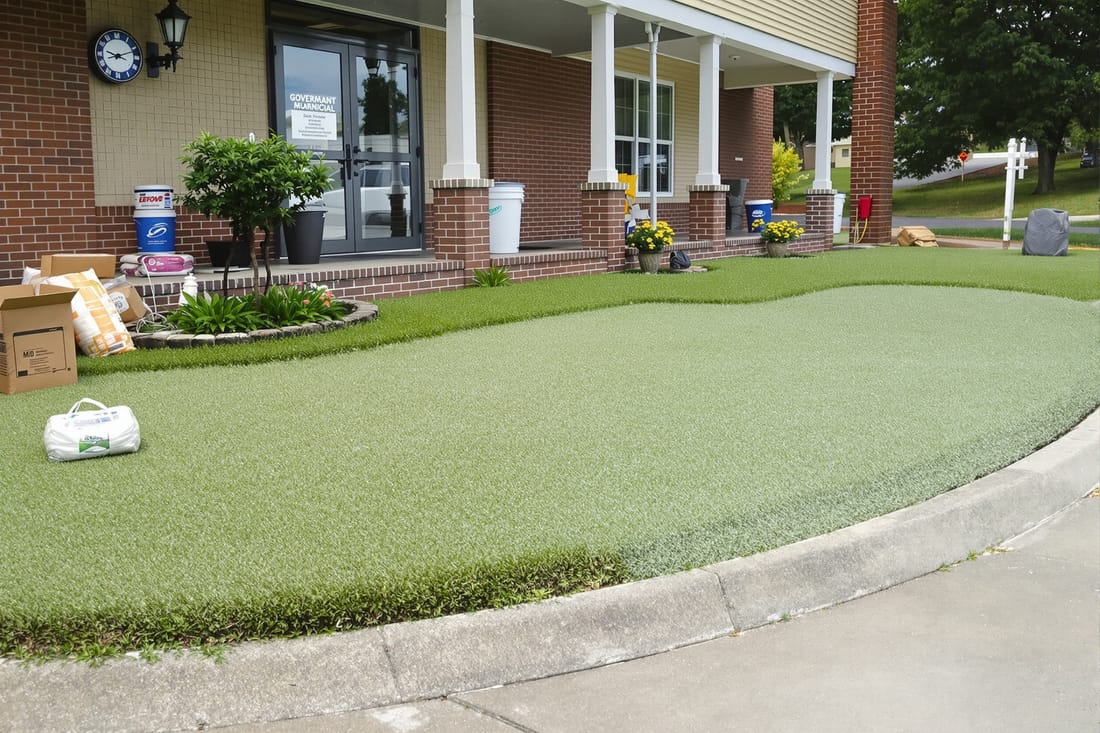
Hydroseeding for Austin’s Public Spaces and Institutions
Legendary Hydroseeding Austin provides municipal hydroseeding services tailored to the realities of Central Texas weather, soil, and public use. We work with cities, counties, school districts, universities, and state agencies to establish vegetation quickly on high visibility and high traffic sites.
Our team focuses on projects where erosion control, public safety, and aesthetics all matter. Typical applications include roadside right of way, drainage channels, detention and retention ponds, school grounds, athletic fields, hike and bike trails, parks, utility corridors, and building projects for public facilities. We understand the permitting, documentation, and coordination requirements that come with taxpayer funded work.
Every public site has unique constraints. For example, a roadside swale off MoPac needs a different seed mix and slope stabilization approach than a shaded courtyard at a state office building downtown. We begin each project with a site assessment that considers soil type, slope, shade, expected foot traffic, irrigation access, and any stormwater compliance requirements so the hydroseeding plan is built around your actual conditions, not a generic recipe.
How the Municipal Hydroseeding Process Works
Our process for government, municipal, and institutional hydroseeding is structured so it can integrate smoothly with larger capital projects and maintenance schedules.
First, we review plans and requirements. This often involves coordinating with your civil engineer, landscape architect, or general contractor. We verify seed specifications, erosion control notes, TxDOT or City of Austin standards, and any stormwater pollution prevention plan (SWPPP) requirements. If specifications are outdated or not suited to local conditions, we can provide value engineering suggestions with alternates.
Next, we evaluate the site in person. Our crews inspect grading, topsoil depth and quality, compaction, and runoff patterns. For steep slopes or problem areas, we may recommend additional measures such as temporary blankets, compost socks, or curb inlets protection to prevent washouts during heavy Austin thunderstorms.
Once surfaces are prepared, we schedule hydroseeding around weather and your project milestones. On application day, our truck mounted equipment blends water, seed, fertilizer, tackifier, and mulch into a slurry that is sprayed evenly over the soil. For public projects, we track batch mixes and application rates so you have clear records if you are audited or need to document compliance.
After application, we provide basic care guidelines for your maintenance staff or contractor. This covers watering schedules, traffic restrictions, and mowing timelines. If desired, Legendary Hydroseeding Austin can also provide follow up inspections and touch up hydroseeding in areas that do not establish fully, which is common around utility penetrations and high flow drainage points.
Materials, Seed Mixes, and Specification Support
Successful municipal hydroseeding in Austin relies on selecting materials that match our climate and regulatory expectations. We work with locally adapted grasses and forbs that can handle Central Texas summers, intermittent drought restrictions, and intense rain events.
For ROW and drainage areas, we often recommend warm season native or adapted mixes that include species like buffalograss, blue grama, and hardy bermuda, sometimes combined with quick establishing annuals for early cover. For athletic fields and school campuses, we can use turf type bermuda or a bermuda and rye overseed combination when the project calls for a more manicured appearance.
Hydromulch choices are driven by slope, expected storm intensity, and budget. On flatter municipal sites, a standard paper or virgin wood fiber mulch with tackifier is usually sufficient. On steeper embankments along 183 or SH 71, we often upgrade to a bonded fiber matrix or a blended mulch with stronger erosion control performance so the seed is not washed away in a single storm.
If your project specifications call out particular TxDOT items or City of Austin standard details, we match those. If there is room for alternates, we can provide written recommendations with estimated performance and cost differences. That level of clarity helps purchasing departments and project managers justify decisions and reduces the risk of change orders later.
Cost Drivers for Government and Institutional Hydroseeding
Costs for municipal hydroseeding in Austin vary based on a handful of predictable factors. Understanding these in advance helps agencies budget accurately and compare bids fairly.
The largest driver is area and access. Large, open tracts can be hydroseeded at a lower per square foot cost because our crews can work efficiently with fewer hose runs and less staging time. Fragmented sites around multiple buildings, islands in parking lots, or areas that require long hose pulls will cost more per unit area because production slows.
Slope and erosion risk also affect price. Steep roadside cuts or detention pond embankments typically require higher grade mulch, heavier application rates, and sometimes multiple passes so seed is protected during storm events. Those added materials and labor are reflected in the bid.
Specification complexity is another factor. Custom native mixes, specialty wildflower blends, or strict TxDOT compliance usually have higher seed and documentation costs than a basic bermuda mix for a school lawn. Prevailing wage requirements, security clearances for certain institutional sites, and off hour work windows can also influence labor costs.
Legendary Hydroseeding Austin provides itemized proposals that break out materials, mobilization, and application so you can see exactly what is driving the number. For long term or multi phase projects, we can help phase work to align with budget cycles and seasonal windows so you get the best value from each application.
Timing, Weather, and Austin’s Climate Considerations
Central Texas has a challenging pattern for establishing new turf on public sites. Long hot summers, the potential for water restrictions, and sudden heavy rainfall all need to be planned for in municipal hydroseeding schedules.
For warm season grasses like bermuda and buffalograss, the most reliable window in Austin is typically late March through early June, and again in early September through mid October. During these periods, soil temperatures support germination and the plants have time to establish before peak heat or winter dormancy.
If your project timeline cannot be moved, we can adjust the approach. For summer work, we may increase mulch rates, emphasize drought tolerant species, and coordinate closely with your irrigation or water truck plan so seedlings do not fail under heat stress. In late fall or winter, we can use dormant seeding for warm season species and sometimes incorporate cool season cover if the project goals allow.
We also look carefully at forecasted storm events. A surprise three inch storm can wash seed off an unprotected slope overnight. When schedules permit, we plan hydroseeding a few days ahead of moderate rains, which actually helps establishment, and avoid days where major storms are expected. This practical timing approach reduces the need for expensive rework and keeps your public projects on track.
Common Challenges on Public Projects and How We Handle Them
Government, municipal, and institutional sites present challenges that often do not exist on private residential work. Legendary Hydroseeding Austin has built our processes around solving those issues before they turn into project delays.
High foot traffic is one of the biggest problems on school campuses, parks, and trail projects. New turf cannot handle crowds in its first weeks. We coordinate with your project managers to plan temporary fencing, signage, or alternative access routes so the public and staff understand which areas are off limits and for how long.
Another frequent issue is coordination with other trades. Hydroseeding is usually one of the last exterior steps, but if irrigation, electrical, or utility crews are still trenching, they can damage new vegetation. We work with your general contractor or facilities team to schedule our work after underground work is substantially complete and confirm that as built changes are finished before we seed.
Erosion and sediment control compliance can also be a concern, especially under City of Austin and TCEQ rules. We understand that inspectors will be checking for stabilized soils, proper cover, and functioning perimeter controls. Our applications are designed to support SWPPP closeout, and we can provide letters or documentation of coverage to help your engineers sign off.
If problem areas appear after a storm or heavy use, we do not simply walk away. We can return for targeted hydroseeding touch ups, soil amendments, or minor grading corrections so that the finished project looks complete and meets the performance requirements written into the original plans.
Why Public Agencies Choose Legendary Hydroseeding Austin
Public work in Austin requires more than just basic hydroseeding ability. It demands reliability, documentation, safety awareness, and an understanding of how decisions impact long term maintenance budgets.
Legendary Hydroseeding Austin is locally focused, so we are familiar with Austin area reviewing entities and the way projects move from design to punch list. Our crews are trained to work around active campuses and public facilities with clear safety practices and respect for students, staff, and visitors.
We provide clear communication for project managers. That includes scheduled start dates, daily progress updates when needed, and photo documentation of completed areas. For multi phase projects, we track which sections have been seeded and when, so you know exactly where each warranty or maintenance period begins.
Because we are rooted in Central Texas, we see the same sites years later. That long view shapes our recommendations. We suggest seed mixes and mulch systems that your own maintenance crews can realistically support, and we avoid short term choices that would create unnecessary expense for taxpayers in future years.
If you manage parks, streets, campuses, or public facilities in or around Austin and need municipal hydroseeding that balances durability, appearance, and budget, our team is ready to walk the site with you, review your plans, and develop a straightforward, locally informed solution.