Home › Topsoil, Grading, and Site Preparation
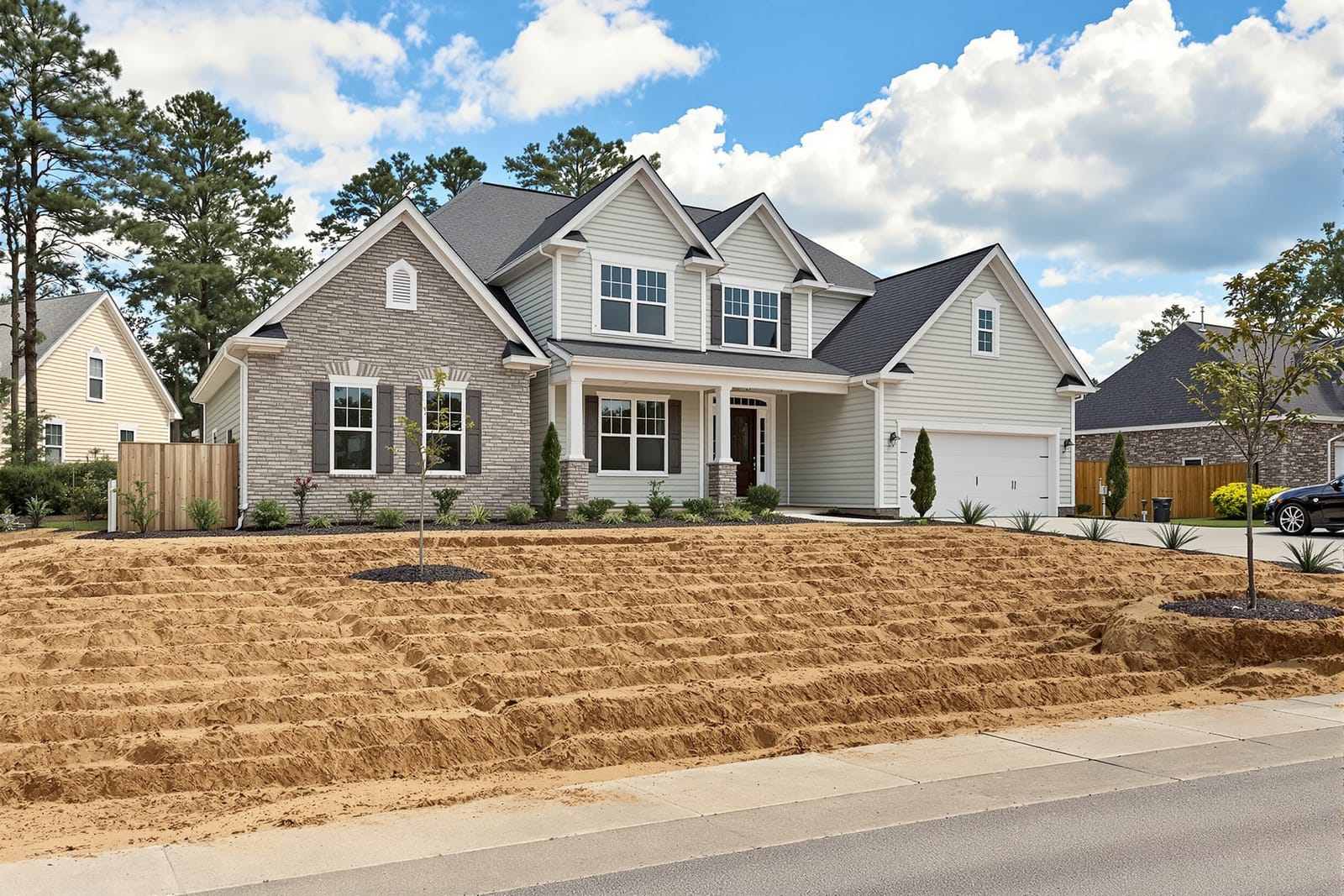
We provide complete hydroseeding site preparation in Austin, TX, from rough and final grading to topsoil placement and debris removal. Proper prep ensures good drainage, strong root development, and an even finished lawn. Our team shapes your yard, conditions the soil, and gets it hydroseed ready for lasting results.
Legendary Hydroseeding Austin provides professional hydroseeding site preparation throughout Austin, TX, Texas and the surrounding area. Our licensed, insured crew delivers safe, clean, on-time work with a free estimate before anything begins. Call 737-237-0380 or request your free quote.
Hydroseeding Site Preparation That Works For Austin Yards
Getting hydroseeding right in Austin starts long before the seed mix hits the ground. At Legendary Hydroseeding Austin, our focus is on careful topsoil, grading, and site preparation so your new lawn, slope, or commercial area actually grows and stays put through Central Texas weather.
Hydroseeding site preparation in our area has to account for thin native soils, heavy clay pockets, limestone rock, and sudden heavy rains. We walk the property with you, check drainage patterns, look for compaction, and note any thin or bare spots that tend to wash out. From there, we build a site-prep plan that fits your specific soil, irrigation setup, and intended use, whether it is a high-traffic play lawn in South Austin or a large native area in the Hill Country edge.
Instead of offering a one-size-fits-all package, we tailor the depth of soil work, grading intensity, and erosion control to what your site genuinely needs. That helps control cost while still giving your hydroseed mix a real chance to root deeply and handle Austin heat.
Step 1: Clearing, Strip-Out, and Soil Evaluation
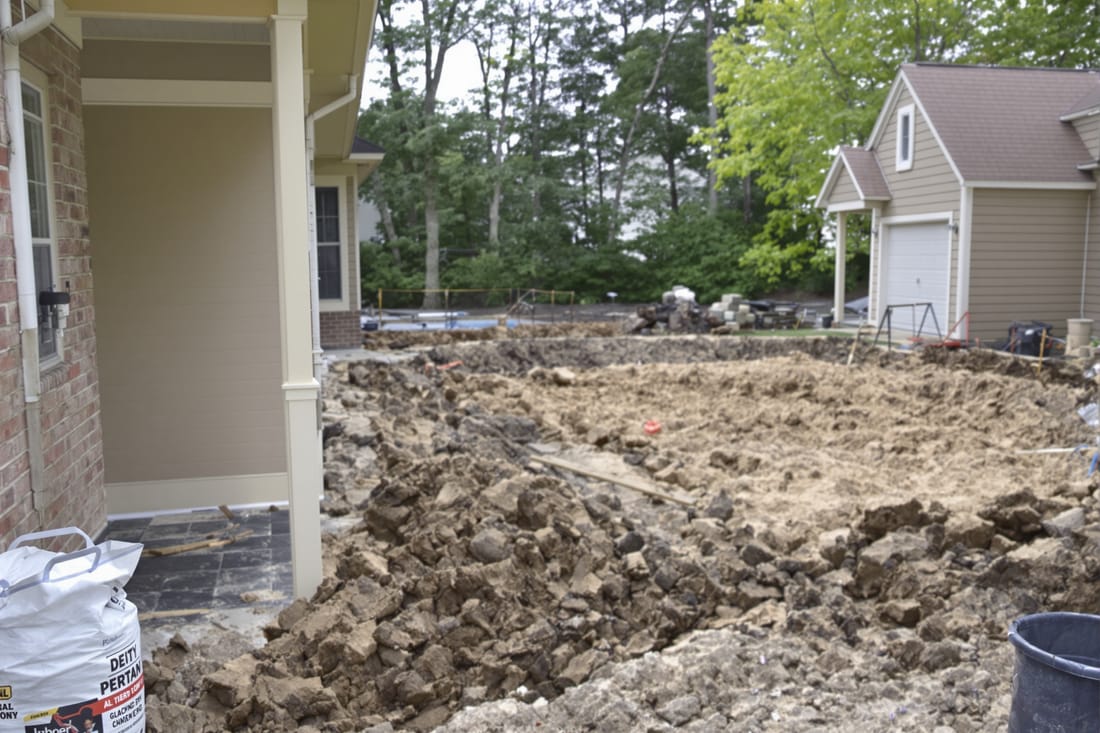
Before any grading or topsoil work, we clear the site in a way that protects the soil structure as much as possible. That usually means:
• Removing existing turf or weeds with a sod cutter or skid steer, depending on thickness and area size.
• Cutting unwanted brush or small scrub trees flush and treating persistent invasives like Bermuda or Johnsongrass where needed.
• Hauling away debris, old landscape fabric, and rocks that will interfere with grading and hydroseeding.
Once the area is opened up, we evaluate the soil. In Austin, we frequently see three main situations: very shallow soil over limestone, heavy black clay that holds water, or sandy fill around newer construction. We check:
• Approximate soil depth using a probe or shovel.
• Drainage by quickly soaking a small test area.
• Organic matter by texture and color, and we recommend a lab soil test for larger projects or if you are putting in an athletic field or commercial space.
This early evaluation lets Legendary Hydroseeding Austin advise you honestly on whether you can work with the soil you have, or if you should budget for imported topsoil or amendments before hydroseeding.
Step 2: Grading for Drainage, Not Just Looks
Hydroseeding site preparation must fix drainage problems before they get locked in under new grass. Our grading work focuses on moving water calmly across the property so you get fewer washouts and muddy spots.
On most Austin residential lawns, we aim for a gentle slope away from structures, usually about 1 to 2 percent, which is roughly 1 to 2 feet of drop over 100 feet. We use grading equipment sized to your site, from compact tractors and skid steers for larger yards to smaller machinery where access is tight. High spots are cut down, low spots are filled and compacted in thin layers, and we avoid creating steep, hard-to-mow slopes wherever possible.
Where we cannot avoid a slope, such as around driveways, walkout basements, or along greenbelts, we soften transitions and design specific runoff paths. We may add shallow swales (broad, grassed channels) that direct water to an area where it can spread out instead of cutting ruts. Around older Austin homes where additions have changed rooflines, we often need to rebuild drainage so downspouts do not flood your future lawn.
The result is a surface that looks smooth to the eye, but more importantly, handles a sudden summer downpour without tearing your new hydroseeded lawn apart.
Step 3: Topsoil Selection, Delivery, and Blending
Topsoil is not just “dirt in a truck,” especially in Central Texas. Using the wrong material can cause standing water, poor rooting, or severe crusting on the surface. Legendary Hydroseeding Austin helps you choose and place the right soil so the hydroseed mix can root well and survive our heat.
For many Austin hydroseeding projects we recommend a sandy loam topsoil with some organic matter, not straight black compost and not pure sand. Too much fine material can seal over in a hard rain, while too much sand dries out too quickly in August. Typical residential installs receive 3 to 4 inches of imported topsoil over prepared subgrade, while high-use lawns or fields may need 4 to 6 inches.
Our process usually includes:
• Rough scarifying of the native subsoil to reduce the sharp boundary between old and new soil.
• Spreading imported topsoil in lifts, checking depth with stakes or a laser level.
• Blending the bottom inch of topsoil into the loosened subgrade so roots can penetrate more deeply and water does not perch on top.
Material cost is a major part of the budget. Access for delivery trucks, total square footage, and the depth of soil you choose all affect price. We walk you through these options, and when your native soil is decent, we may recommend partial amendment instead of a full topsoil replacement to keep costs reasonable.
Step 4: Fine Grading, Compaction, and Seedbed Prep
Once the right soil is in place, we shape the final surface so hydroseeding will lay down evenly and the seed has good contact with the soil. This stage looks simple from the street, but it directly impacts how uniform your new lawn will appear as it fills in.
Legendary Hydroseeding Austin first rough-rakes and drags the soil to break up clods and knock down minor ridges. We then compact in light passes. The goal is firm enough that footprints are shallow, but not so hard that the surface seals. Over-compaction is a common mistake that leads to runoff and poor germination.
We pay special attention to:
• Transitions around walkways, patios, and driveways so the finished lawn height feels natural.
• Low spots where sprinkler heads sit, making sure they end slightly above final grade after the grass establishes.
• Any utility lines or irrigation repairs that were done so they are buried to a safe depth.
Finally, we lightly rake the top half inch so the surface has a faint texture. This micro-roughness improves hydroseed slurry adhesion and reduces the risk of seed and mulch sliding downhill during a storm.
Austin-Specific Timing, Weather Challenges, and Erosion Control
Hydroseeding site preparation in Austin needs to work with our climate, not against it. That means planning around heat, rainfall patterns, and watering restrictions.
Best timing for major grading and topsoil work is typically late winter through spring, and again in fall. From late May through September, extreme heat can make new lawns hard to establish unless irrigation is reliable and the site is shaded. For larger slopes or open, sunny areas, we often encourage scheduling prep and seeding for March to early May or late September to early November so temperatures support germination.
Sudden thunderstorms are another concern. On sloped properties or areas with a history of washouts, Legendary Hydroseeding Austin may recommend temporary erosion controls during and after site prep. These can include:
• Straw wattles or compost sock at the bottom of steep runs.
• Jute or biodegradable mesh over freshly graded slopes.
• Check dams in swales to slow water while grass establishes.
If your project must happen in a riskier weather window, we discuss backup measures and phase the work so the most vulnerable areas are protected first. Our goal is to prevent you from paying twice because a poorly timed storm destroyed your new seedbed.
What Drives Cost and How To Prepare Your Property
Topsoil, grading, and site preparation costs vary, but talking through the main drivers can help you budget realistically before we hydroseed.
Key cost factors in Austin include:
• Access: Tight side yards, steep driveways, or backyards without alley access may require smaller machinery or more labor.
• Rock and demolition: Removing buried construction debris, large limestone chunks, or old patios can add time and disposal fees.
• Topsoil depth and quality: More inches of soil and higher quality blends raise material and hauling costs.
• Drainage corrections: Rebuilding swales, adding soil around foundations, or correcting long-standing grading issues takes more detailed work.
To prepare for a project with Legendary Hydroseeding Austin, we suggest:
• Marking sprinkler heads, valve boxes, and shallow utilities if you know where they are.
• Letting us know about any past drainage problems or areas that stay soggy after storms.
• Clearing personal items, hoses, and portable structures from the work area before equipment arrives.
We provide clear written scopes that separate site preparation, topsoil, grading, and hydroseeding so you can see exactly what you are paying for and where you might choose to scale up or down. Our aim is to leave you with a seed-ready surface that truly supports a strong, lasting hydroseeded lawn, not just a quick cosmetic touch-up.