Home › Residential Hydroseeding
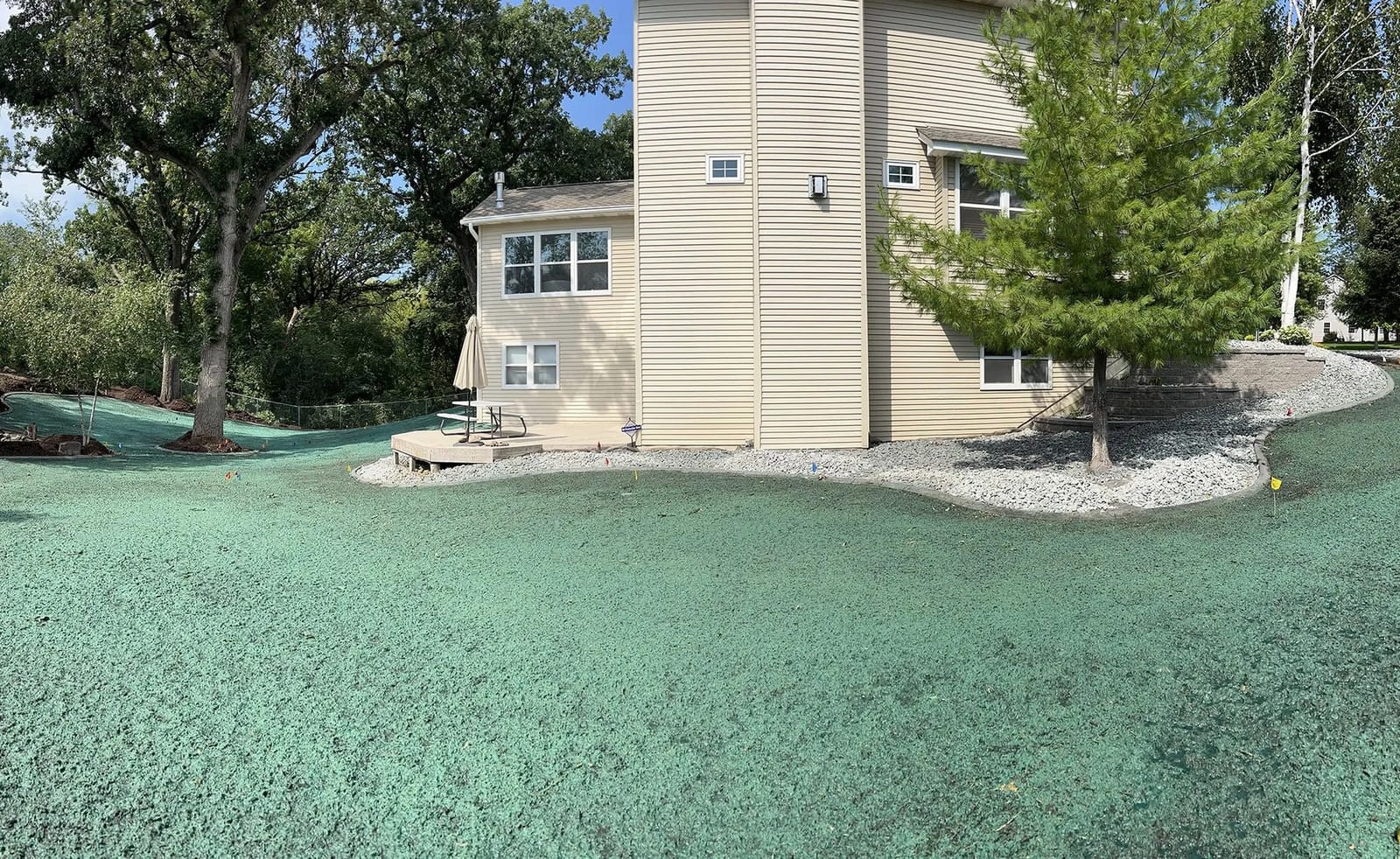
Our residential hydroseeding in Austin, TX gives homeowners a fast growing, uniform lawn without the cost of sod. We tailor seed, mulch, and fertilizer for local soils and sun conditions, so your yard establishes quickly and resists weeds. Enjoy a beautiful new lawn with professional installation and clear aftercare guidance.
Legendary Hydroseeding Austin provides professional residential hydroseeding throughout Austin, TX, Texas and the surrounding area. Our licensed, insured crew delivers safe, clean, on-time work with a free estimate before anything begins. Call 737-237-0380 or request your free quote.

Residential hydroseeding that fits real Austin yards
Residential hydroseeding is a smart way to get a thick, green lawn in Austin without the transplant shock and cost of sod. At Legendary Hydroseeding Austin, we focus on how hydroseeding works in real Central Texas conditions: rocky soil in some neighborhoods, heavy clay in others, hot summers, and surprise downpours that can wash seed away if the mix is wrong.
Instead of rolling out pre-grown grass, we spray a custom slurry of grass seed, mulch, water, fertilizer, and soil conditioners over your prepared yard. The mulch locks moisture around the seed and protects it from sun and birds. The fertilizer jump-starts growth, and the tackifier (a natural glue) helps keep everything in place when one of those sudden Austin thunderstorms hits. This approach lets us tune the seed blend and additives to your specific yard, which is very different from a one-size-fits-all pallet of sod.
For homes in Austin, residential hydroseeding is especially useful on new construction lots, areas where you removed an old, patchy lawn, or sloped backyards where sod tends to slip. It also works well when you want to convert a water-hungry lawn into a more efficient grass type that still looks good but can handle Austin watering restrictions.
How our residential hydroseeding process actually works
Every job at Legendary Hydroseeding Austin starts with a walk-through. We look at sun and shade patterns, how water drains after rain, the condition and depth of your topsoil, and any problem areas like compacted paths or low spots that stay soggy. We also ask how you really use the yard: kids, dogs, entertaining, or mostly just curb appeal.
Step 1 is site prep. We remove leftover roots, rocks, and debris, then loosen the top 2 to 4 inches of soil with power rakes or tillers, depending on how tight the ground is. On many Austin lots, builders have scraped away good topsoil, so we frequently add a layer of compost or screened topsoil to improve structure. We then grade the area so water flows away from your home, not toward your slab or foundation.
Step 2 is soil conditioning and pre-treatment. If your soil is heavy black clay, which is common in parts of South Austin and Pflugerville, we work in compost and sometimes gypsum to help with drainage and root penetration. For rocky or thin soil on hillsides and in West Austin, we may add more organic matter so the mulch has something to hold onto and the roots have room to grow. We also address existing weeds, since they compete with new grass and can take over a fresh hydroseeded lawn.
Step 3 is mixing the hydroseed slurry. We load water, mulch, fertilizer, tackifier, and the specific seed blend into a large tank. The machine agitates the mix so you get an even distribution from the first spray to the last. We adjust the mulch rate and tackifier strength depending on your slope and soil. Steep backyards or drainage swales get heavier mulch and more tackifier so the mix stays in place during rain.
Step 4 is application. Using hoses and a high pressure pump, we spray the slurry so it forms a consistent blanket over your soil. You should not see bare earth, but you also should not see big clumps of mulch. We edge carefully along driveways, fences, and beds so you get a neat boundary and do not end up with grass growing where it should not.
Step 5 is watering guidance and early care. Right after spraying, we give you a specific watering schedule, usually several light waterings per day at first, then fewer, deeper waterings as the grass sprouts and roots. We explain what the lawn should look like week by week so you know what is normal, when to mow for the first time, and when to adjust irrigation.
Choosing the right grass mix for Austin homes
One of the big advantages of residential hydroseeding is the control you have over grass types. In Austin, we rarely recommend a single grass across the entire yard. Instead, Legendary Hydroseeding Austin often uses different blends for front and back or for sunny and shady zones.
For full sun front yards, we may suggest Bermuda blends for families who want a tight, sports-field style lawn that stands up to foot traffic and kids. It handles heat and recovers well from wear, but needs full sun and regular mowing during the growing season. For homeowners who prefer a softer look with less fertilizing, we might lean toward a drought-tolerant fescue or mixed blend that holds color better into spring and fall.
For partial shade, like under live oaks that are common in many Austin neighborhoods, we build in shade-tolerant varieties. Pure Bermuda will struggle in heavy shade, so we talk honestly about realistic expectations. Sometimes that means combining grass with a mulched area or shade plantings, rather than forcing a full lawn where it will always be thin.
We also account for watering practices. With Austin watering restrictions and hot summers, it is important to choose a grass that matches the amount of water you can provide. Some homeowners prefer an ultra-green lawn and are willing to manage irrigation closely. Others want a lawn that can survive on less frequent watering once established. We adjust fertilizer and seed density based on these goals.
If you have dogs, we select blends that recover faster from spots and heavy use, and we go a bit heavier on seed in known dog paths. If you are planning to resell soon, we may lean toward a quick-establishing mix that looks impressive fast, as long as it still fits the lot and irrigation setup.
What affects cost and how to avoid common problems
Hydroseeding is usually more cost effective than sod for larger residential areas, but total price depends on more than square footage. At Legendary Hydroseeding Austin, the main cost drivers are site prep difficulty, soil improvements, seed blend, slope, and access.
Prep is often the biggest variable. A clean, fairly level yard with decent soil costs less to hydroseed than a lot packed with construction debris, stubborn roots, or deep ruts from heavy equipment. If your soil needs added compost or topsoil, that adds material and labor but pays off in better germination and long-term lawn health.
Seed choice affects both cost and performance. Premium, coated seed for improved drought tolerance or specific shade varieties costs more, but in Austin conditions it often saves water and reduces reseeding later. Steep slopes or erosion-prone areas need more mulch and stronger tackifier, which increases material use but prevents washouts after big storms.
Common problems for residential hydroseeding usually trace back to three things: poor prep, incorrect watering, or unrealistic expectations about shade. If soil is not loosened and leveled correctly, you get thin patches and water standing in low spots. If watering is too light in the first few weeks, seed dries out between cycles and germination is spotty. If heavy shade is treated like full sun, the grass never fills in.
To avoid these issues, we invest more time in prep than many installers. We show you the grading before we spray, ask you to test your irrigation zones, and mark any areas where shade will limit growth. We also follow up during the first month so you can send photos if something looks off. Catching a clogged sprinkler head or an overwatered corner early can prevent you from needing a repair visit later.
When to schedule residential hydroseeding in Austin
Austin weather has its own rhythm, and timing matters a lot for residential hydroseeding. The best windows are typically early spring and early fall, when daytime highs are warm enough for germination but not brutal. Soil temperatures are key, not just air temperatures, so we pay close attention to recent weather trends rather than just the calendar date.
Spring hydroseeding in Austin usually runs from about March through May, depending on the year. This window lets grass establish before the peak summer heat. You will need to stay on top of watering as temperatures climb, but roots will already be set. Fall hydroseeding, often from late September into early November, is especially good for many cool-season blends and for homeowners who want to avoid the heaviest watering months.
We can hydroseed in summer, but it requires more diligent watering and realistic expectations. If you travel often or cannot easily adjust irrigation, we will talk through whether a summer project makes sense for you or if waiting for cooler weather is smarter. Winter hydroseeding is limited to specific blends and situations, and we will be upfront if the timing is not right.
Before scheduling, think about any other work you plan to do in the yard. Fence installation, utility trenching, or patio projects should be completed before hydroseeding. Freshly hydroseeded lawns do not like heavy foot or machine traffic. We will help you coordinate timing so you do not pay for a new lawn and then have to tear part of it up for another project.
When you are ready, Legendary Hydroseeding Austin will walk you through the whole timeline, from prep to first mow, so you know what to expect day by day and how to give your new residential hydroseeded lawn the best start.