Home › Native Meadow and Wildflower Hydroseeding
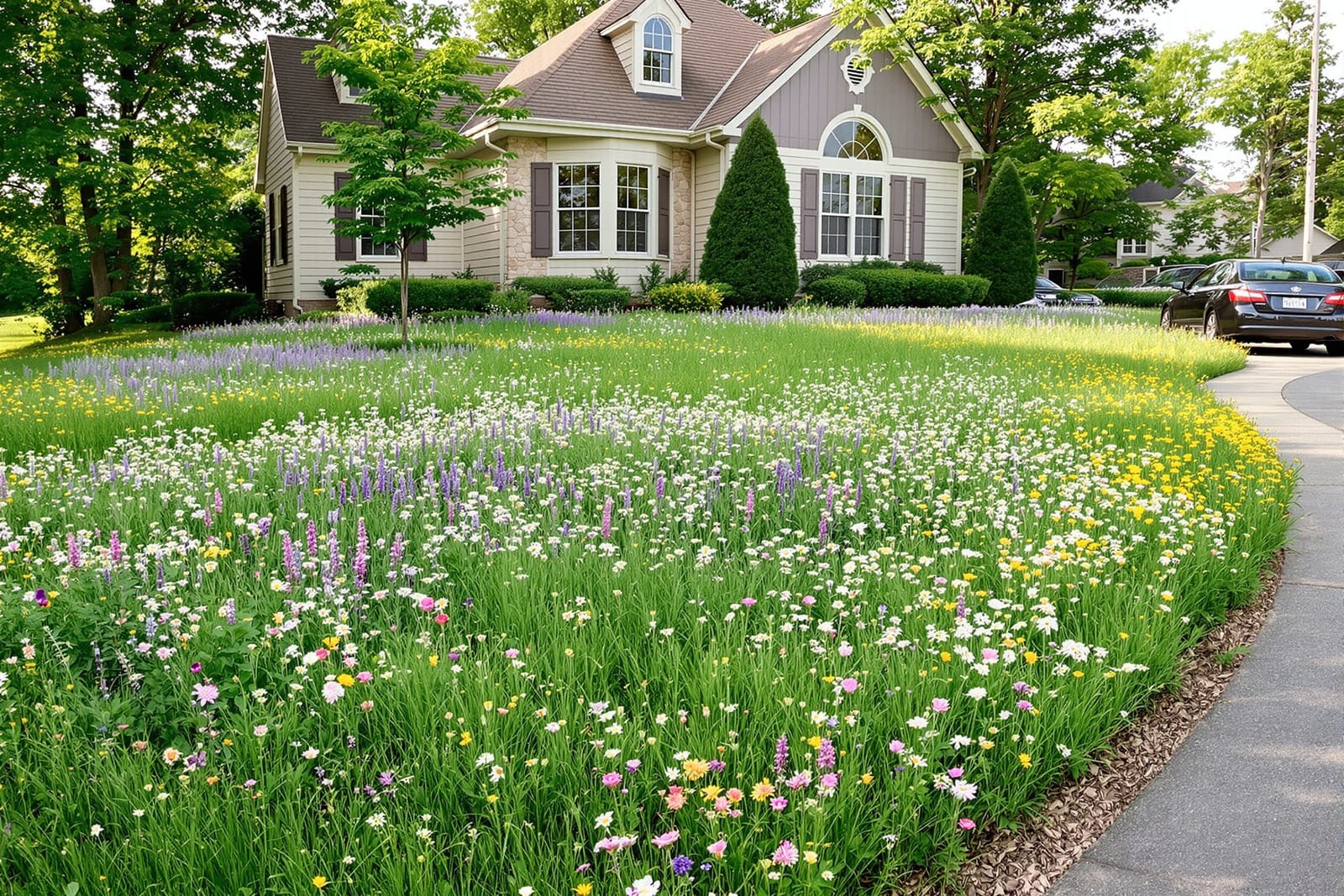
Our wildflower hydroseeding in Austin, TX creates colorful native meadows and low mow natural areas. We use region appropriate wildflower and grass mixes that support pollinators while reducing maintenance. From estate borders to unused corners of your property, we design and install naturalized plantings that bloom year after year.
Legendary Hydroseeding Austin provides professional wildflower hydroseeding throughout Austin, TX, Texas and the surrounding area. Our licensed, insured crew delivers safe, clean, on-time work with a free estimate before anything begins. Call 737-237-0380 or request your free quote.
Native Wildflower Meadows Designed for Austin Properties
A native wildflower meadow is more than a pretty view. In Central Texas it can cool your yard, support pollinators, and use far less water than a traditional lawn. Legendary Hydroseeding Austin focuses specifically on wildflower hydroseeding that fits Austin’s soils, slopes, and microclimates, whether you live in a central Austin bungalow, a new build in Circle C, or have acreage out near Manor or Dripping Springs.
Instead of installing the same mix everywhere, we start by looking at the actual conditions on your property: sun and shade patterns, existing vegetation, runoff paths, and soil depth. A rocky West Austin hillside needs a different seed mix and application rate than a flat East Austin clay lot that tends to pond after heavy storms. By matching the hydroseed blend and soil amendments to your exact site, we help your meadow establish faster and stay healthy with less maintenance.
Wildflower hydroseeding is ideal if you want big visual impact across large or irregular areas like septic fields, road frontages, new home sites, or portions of your lawn you want to convert to low water use native plants. Our approach is to create a long blooming season with overlapping species, so you do not get two weeks of color and then bare stems for the rest of the year.
How Wildflower Hydroseeding Actually Works
Hydroseeding is a method of spraying a slurry of seed, mulch, water, and soil conditioners onto prepared ground. For native meadow and wildflower hydroseeding in Austin, Legendary Hydroseeding Austin uses commercial grade mechanical agitation tanks that keep the seed mix evenly suspended, which is critical when you are blending small wildflower seed with larger native grasses.
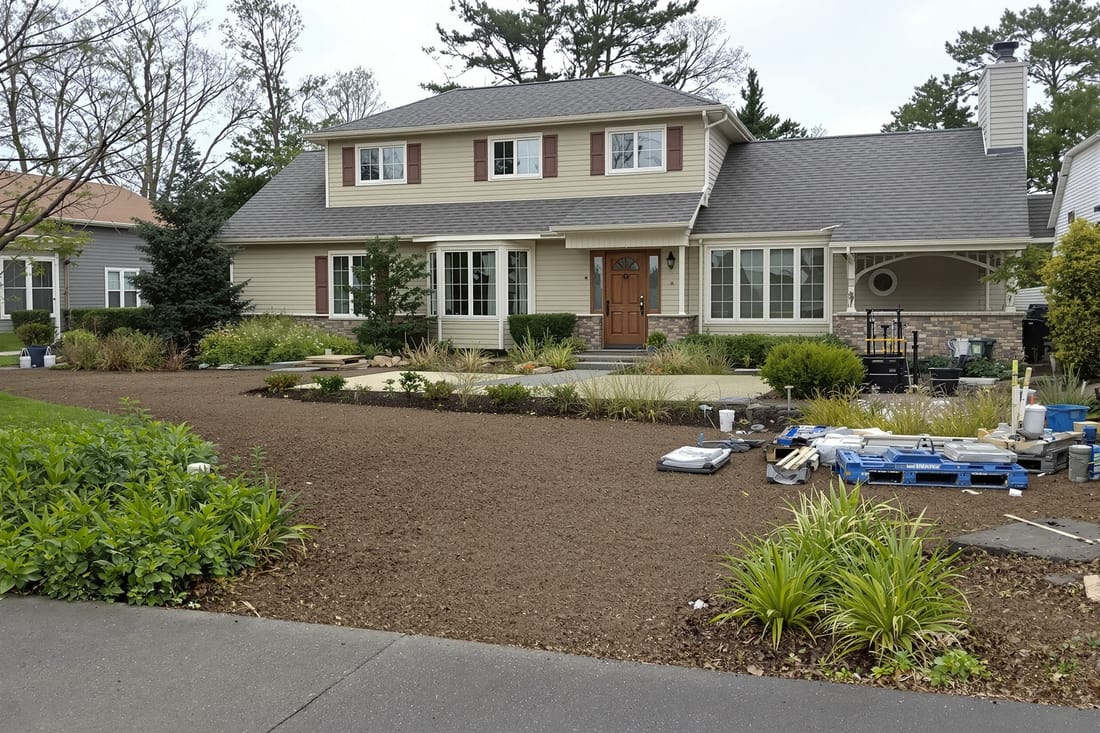
A typical project starts with site prep. We mow existing vegetation short, then scalp it lower or lightly till the top inch so seed can contact soil. In compacted or construction fill soils, we often bring in screened topsoil or compost to create a better root zone, especially in new subdivisions where builders left very thin soil over caliche or clay. We then clean the area of rocks, old roots, and construction debris that can interfere with even coverage.
Next we mix your specific seed blend with a cellulose or wood fiber mulch, water, a tackifier (which helps the slurry cling to slopes and resist washout during storms), and sometimes a light starter fertilizer if your soil test indicates it is needed. The slurry is sprayed under pressure so it coats the surface evenly. The mulch layer helps hold moisture, shades the germinating seeds, and lets us see coverage patterns while we work.
After application, the area is not watered like a typical lawn. We design wildflower hydroseeding schedules around Austin rainfall patterns. In most cases we time projects for fall so your seeds benefit from winter and early spring rains, but we also do spring seedings with temporary irrigation when needed. We provide you with a simple watering and traffic plan so the new meadow can establish without being compacted by people or pets.
Choosing the Right Native Wildflower Mix for Your Austin Site
Austin sits where the Hill Country meets the Blackland Prairie, so seed choices need to respect that transition. Legendary Hydroseeding Austin does not use a one size fits all wildflower bag. Instead, we create custom or semi custom blends using locally proven species from Central Texas growers whenever possible.
For full sun front yards or acreage in East Austin, we often recommend mixes centered on Indian Blanket, Firewheel, Mexican Hat, Lemon Mint, Black eyed Susan, and Plains Coreopsis, combined with native grasses like Little Bluestem and Sideoats Grama to provide structure. On shallow Hill Country soils or rocky slopes, we lean on species that handle drought and thin soil, such as Engelmann Daisy, Prairie Verbena, Mealy Blue Sage, and various Texas Bluebonnet ecotypes.
If your property has dappled shade from mature live oaks, we adjust the mix to include woodland edge species that can take filtered light and root competition. For commercial or neighborhood common areas, we can emphasize lower growing species to maintain sight lines along driveways and intersections. Where deer pressure is high, we favor more deer tolerant wildflowers and use seeding rates that plan for some browsing loss.
We also talk through bloom timing. A good Austin meadow starts early with bluebonnets and phlox, carries into late spring with coreopsis and Indian Blanket, and finishes with summer species like sunflower and partridge pea. By staggering annuals, short lived perennials, and long lived perennials, your landscape evolves over several seasons instead of fading after the first year.
What Influences Cost for Wildflower Hydroseeding in Austin
Customers often want a quick price per square foot, but wildflower hydroseeding costs in Austin vary based on specifics we see on site. At Legendary Hydroseeding Austin we walk the property and discuss priorities before giving a firm quote, so you know exactly what is included.
The largest cost drivers are area size, access, and site prep. Wide open new build lots with easy truck access cost less per square foot than small backyards that require hose runs through gates or up steep slopes. If we need to remove thick invasive grass like Bermuda or KR bluestem, or strip compacted construction debris, prep time and disposal fees go up. On many older central Austin lots, tree protection and careful work around irrigation or stonework adds labor.
Seed mix choices also affect price. True native, locally collected seed is more expensive than generic wildflower blends. If your goal is ecological restoration or you need compliance with city or watershed regulations, we will specify higher purity seed and appropriate grasses, which changes the material cost. Decorative mixes focused on showy color near the house may use a higher ratio of annuals and can sometimes be less expensive.
Finally, slopes and erosion control influence cost. Steeper sites require more tackifier, sometimes two pass applications, or pairing with erosion blankets on the worst sections. We are transparent about when those measures are optional versus when they are strongly recommended to protect your investment during Austin’s heavy downpours.
Timing, Establishment, and What To Expect in Year One
Native meadow and wildflower hydroseeding rewards patience. It does not look like a finished garden the day we leave. Legendary Hydroseeding Austin spends time explaining the timeline so you know what is normal and do not accidentally mow your wildflowers.
In Central Texas, fall is the preferred seeding window, typically late September through November, so seeds experience cool soil and winter rains. You will usually see the first sprouts within a few weeks as a low green carpet. Through winter, much of the activity is root growth that you do not see. By late February through April, bluebonnets and early species begin to bloom. Later spring and early summer bring in the second wave of color.
In the first year, you may also see some weeds. We design seed rates and species mixes to outcompete many common Austin weeds, but disturbed soil always brings up a seedbank. We provide simple guidelines on what to pull by hand, what to tolerate temporarily, and when to mow. Typically, a high mow after seeds have set, often in late June or July, helps knock back annual weeds and scatter wildflower seed for the following year.
Perennial wildflowers and grasses are investing in roots in year one, so the display often improves significantly in years two and three. We encourage customers to take photos and notes through the seasons. That record helps us adjust with follow up spot seeding or minor mix tweaks, especially on larger properties where different areas may perform differently.
Dealing With Common Challenges: Heat, Erosion, and Wildlife
Austin’s weather and wildlife create real challenges for native meadows, but planning and proper installation can manage most of them. Legendary Hydroseeding Austin designs wildflower hydroseeding projects around three recurring issues: intense heat, heavy storms, and browsing animals.
For heat and drought, species selection is the first line of defense. We avoid relying on species that only succeed in unusually wet years. We also emphasize establishing a native grass backbone that holds moisture and shades the soil. When seeding outside ideal fall windows, we may recommend temporary irrigation, especially on south facing slopes and reflective areas beside driveways or stucco walls that heat up more.
Erosion is a concern on Austin’s hilly sites and along drainage swales. We use tackifiers in the hydroseed mix to help the mulch bind to the soil. On known trouble spots, we combine hydroseeding with straw wattles, rock checks, or biodegradable jute netting. These measures slow water so the seed and topsoil are not washed away during thunderstorms. We walk the property with you to point out the highest risk areas and explain options.
Deer, rabbits, and even neighborhood chickens can browse fresh growth. While no mix is completely deer proof, we moderate the impact by including more tolerant species and avoiding heavy planting of known favorites in the most vulnerable zones. For small yards, simple temporary fencing or netting for the first few months can make the difference between a thin stand and a dense meadow. We help you choose low visual impact protection that can come down once plants are established.
Working With Legendary Hydroseeding Austin
We see native meadow and wildflower hydroseeding as a collaboration between our crew and your long term care. When you contact Legendary Hydroseeding Austin, we start with a conversation about how you use your property: where kids play, where dogs run, which views you care about most, and whether you want a looser natural look or a more organized meadow with defined edges.
Next we schedule a site visit. We check soil texture by hand, look at existing vegetation to understand moisture patterns, and talk through any HOA or City of Austin requirements, such as height limits near sidewalks or visibility at driveways. For commercial projects, we can coordinate with your landscape architect or builder to fit hydroseeding into the construction schedule and erosion control plan.
Before work starts you receive a written proposal that outlines the seed blend concept, prep steps, and aftercare instructions. On application day we walk the area with you, confirm boundaries, and answer any last questions. After the hydroseeding is complete, you get a simple seasonal care guide and we remain available for follow up questions, photos, or troubleshooting.
Our goal is not a one season postcard, but a resilient Austin landscape that feels right in this climate. Whether you are converting a small St. Augustine side yard in South Austin or establishing several acres of native meadow near Lake Travis, we bring local knowledge and practical detail to make your wildflower hydroseeding successful.