Home › Native and Wetland Restoration Hydroseeding
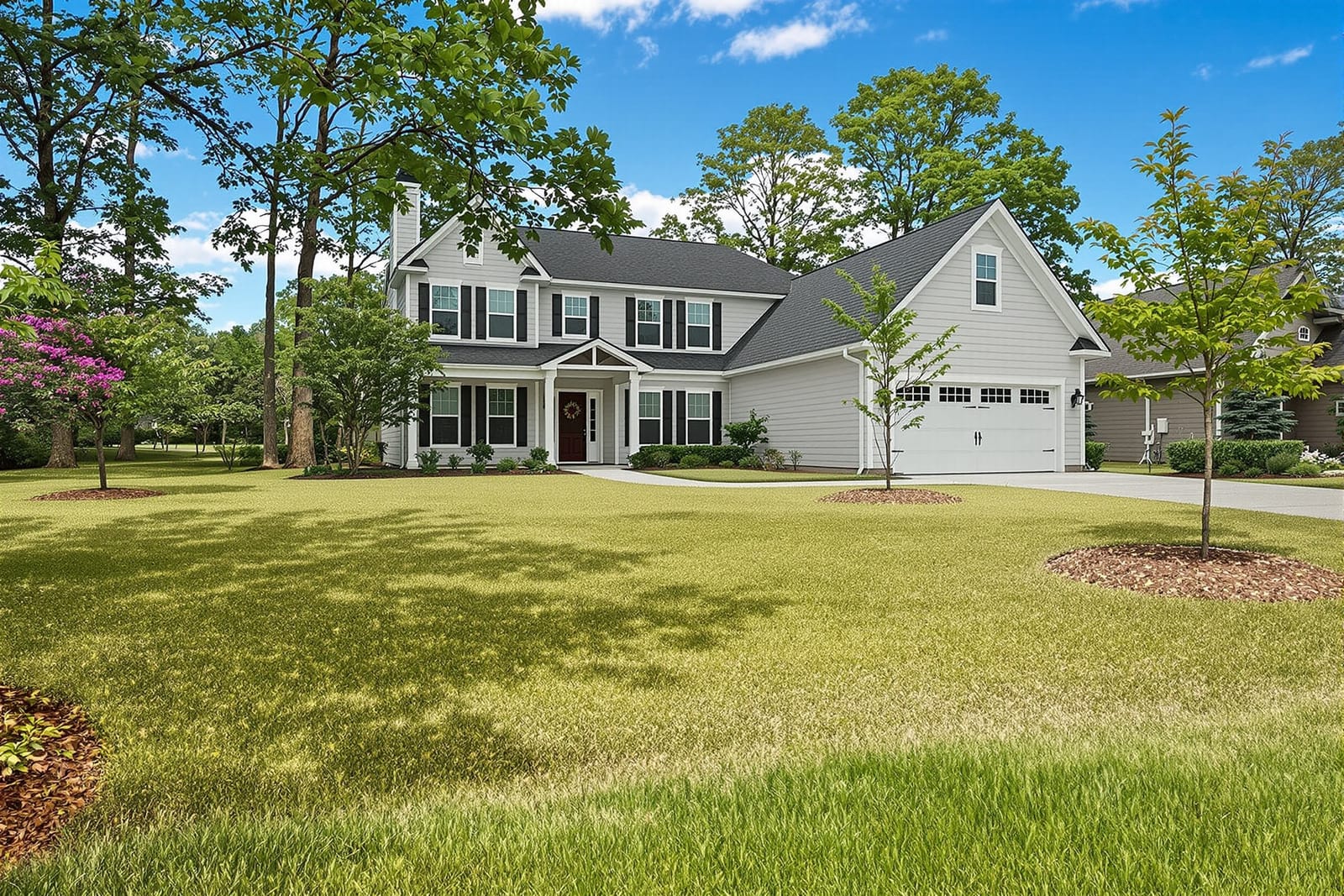
We provide native restoration hydroseeding in Austin, TX for wetlands, stream buffers, and habitat areas. Our seed mixes emphasize local native species that support wildlife and stabilize soil. Working with environmental consultants and agencies, we help bring disturbed areas back to functional, vegetated landscapes.
Legendary Hydroseeding Austin provides professional native restoration hydroseeding throughout Austin, TX, Texas and the surrounding area. Our licensed, insured crew delivers safe, clean, on-time work with a free estimate before anything begins. Call 737-237-0380 or request your free quote.
Native restoration hydroseeding that fits Central Texas landscapes
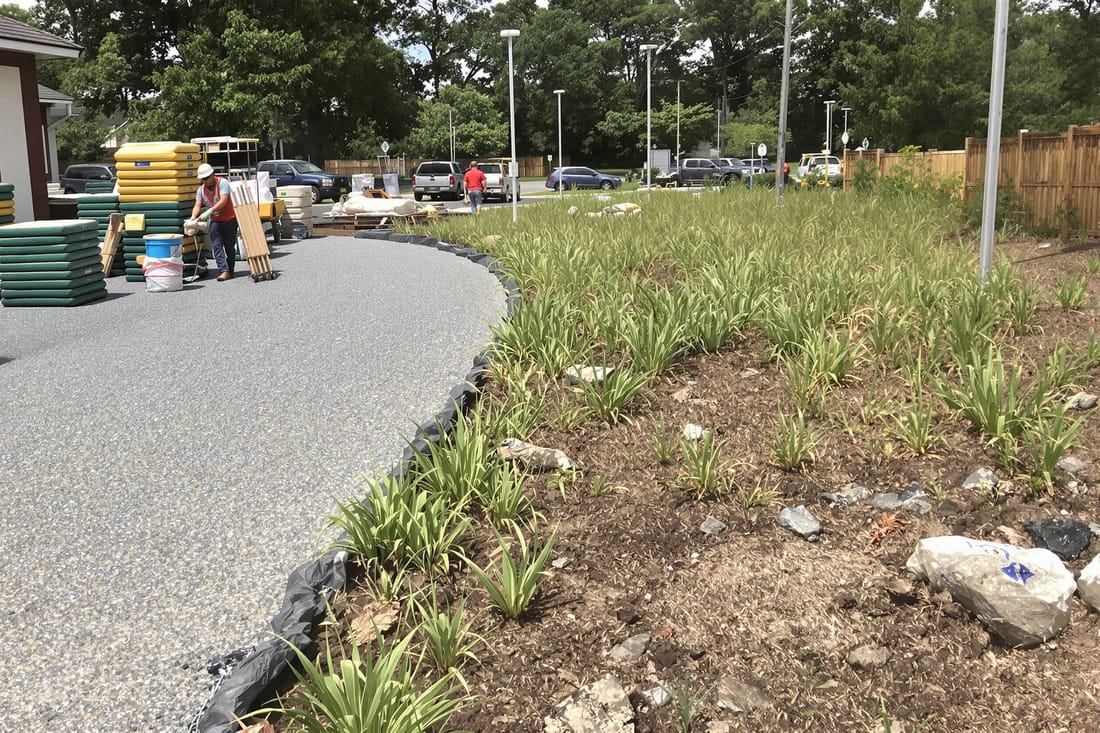
Native restoration hydroseeding is not just spraying seed and walking away. In and around Austin we are working with thin Hill Country soils, flashy creeks that rise fast in big storms, and long stretches of heat and drought. Legendary Hydroseeding Austin designs each native mix and application method around those realities, whether your project is a creek setback, a detention pond shelf, a roadside right of way, or a private ranch.
Before we ever bring in a hydroseeder, we walk the site with you. We look at existing vegetation, soil depth, drainage paths, shade patterns, and nearby reference habitats. For example, a Blackland Prairie style restoration in east Austin calls for a very different plant mix and mulch strategy than a rocky riparian buffer along Barton Creek. We also ask about your goals: erosion control only, pollinator habitat, aesthetics, wildlife cover, or regulatory requirements tied to a permit.
From there, we develop a native restoration hydroseeding plan that spells out seed species, seeding rates, mulch type and depth, tackifier use, and access routes for the machine. This upfront planning is what keeps your project from washing out in a Memorial Day storm or baking to death in an August heat wave.
How our native and wetland hydroseeding process actually works
For most native and wetland restoration hydroseeding projects in Austin, Legendary Hydroseeding Austin uses a multi pass approach. The first step is site preparation. We remove invasive grasses and weeds like bermuda, johnsongrass, and KR bluestem using a combination of mowing, targeted herbicide where appropriate, and, on sensitive sites, repeated scalping and raking. We then lightly scarify or track the soil so the seed can make good contact without creating channels that water can cut through.
Next, we blend the hydroseeding slurry. The tank mix usually includes a custom native seed blend, cellulose or wood fiber mulch, a tackifier for slope stability, and sometimes mycorrhizal inoculant or organic soil amendments if the soil is extremely depleted. For wetland shelf or low swale areas that hold moisture, we lean into species like sedges, rushes, and native wetland forbs. For upland buffers, we increase the ratio of deep rooted native grasses and wildflowers that can handle Austin drought cycles.
We apply the slurry in a controlled pattern, usually starting at the top of slopes and working downslope so we are never walking on freshly seeded ground. On critical slopes or high velocity drainage ways, we often use hydroseeding in combination with erosion control blankets, coir logs, or rock checks. The hydroseeding ties everything together and fills in gaps between structural controls.
After application, we mark zones and give you a maintenance plan that covers irrigation where available, mowing heights and timing, and when to expect germination. Native restorations in our climate rarely look impressive at 30 days. The real establishment happens over the first 12 to 24 months, so we schedule follow up visits to evaluate coverage, spot treat invasives, and recommend interseeding if a specific group of plants underperforms.
Choosing the right native and wetland seed mixes for Austin sites
One thing that makes Legendary Hydroseeding Austin different is that we do not use a single stock "native mix" for every job. Our native restoration hydroseeding mixes change based on soil type, hydrology, and project goals. We work with local and regional seed suppliers so we can match species to specific site conditions in Travis County and surrounding areas.
For upland prairie style restorations in full sun, a typical mix might include little bluestem, sideoats grama, Indiangrass, green sprangletop, and several forbs like Engelmann daisy, prairie coneflower, black eyed Susan, and Maximilian sunflower. If the site is rocky with very shallow soils, we adjust ratios and lean on species that tolerate those conditions rather than forcing plants that will struggle.
In wetland and riparian zones, we build mixes with native sedges and rushes, smartweeds, water willow where appropriate, and moisture loving grasses. We pay attention to normal pool levels in detention or retention ponds, plus the expected drawdown after storm events. Seeds that sit under water for weeks in a pond edge mix need to handle saturation, while the upper shelf might dry out quickly in a hot Austin summer.
We also factor in how much maintenance you can realistically provide. Some sites can support a high diversity wildflower rich mix, but only if there is a willingness to tolerate a "messy" look and to manage annual weeds during the first two seasons. Other clients, such as public facilities or commercial campuses, may need a simpler, grass heavy mix that still uses natives but is easier to maintain at a more manicured height near pathways and parking lots.
Timing, cost drivers, and common problems in Central Texas native restoration
In Central Texas, timing makes or breaks a native restoration hydroseeding project. Legendary Hydroseeding Austin typically targets fall seeding for many native grasses and wildflowers, often between late September and early December, to let seeds benefit from winter moisture and natural stratification. Spring hydroseeding can work, especially for some wetland and riparian mixes, but we plan around the likelihood of intense rain events and early heat.
Project cost is driven by four main factors: seed mix complexity, site access, slope and erosion risk, and required aftercare. High diversity native mixes with locally sourced ecotypes cost more per pound than a simple erosion control blend, and wetland species can be noticeably more expensive than upland grasses. Steep slopes, creek banks, and pond embankments may require additional tackifier, heavier mulch rates, or integration with erosion control blankets and rock work, which adds to both material and labor costs.
Common problems in Austin include invasive grass pressure returning after initial control, washouts along concentrated flow paths, and unrealistic expectations about how quickly a native planting becomes "full." When we see regrowth of bermuda or johnsongrass, we usually recommend spot spraying or carefully timed mowing that hits invasives before they seed but avoids cutting native seedlings too low. Washouts are handled with localized repairs, sometimes including small grade changes, check structures, and re application of hydroseed in damaged zones.
We are upfront about the establishment curve. A properly installed hydroseeded native restoration often looks thin the first year, more balanced the second year, and mature by year three. If you expect a sod lawn look in 60 days, native hydroseeding is not the right fit. We help you understand what "healthy but young" looks like so you are not tearing out a restoration that is actually on track.
What to know before you hire a native restoration hydroseeding contractor
Before you commit to any native restoration hydroseeding contractor in Austin, there are a few things you should ask to protect your project and your budget. Legendary Hydroseeding Austin encourages you to ask us the same questions.
Ask for the exact seed mix, including scientific names, origin region, and seeding rates. If the proposal only lists "native mix" or uses vague descriptions, you will not know what you are really getting, and it will be difficult to troubleshoot later. We provide a written mix sheet and keep batch records so that if a certain species underperforms, we can decide whether to interseed, adjust management, or change approach in a next phase.
Find out how the contractor handles invasive species, both before and after seeding. A native restoration in Austin will almost always fail if invasive grasses are ignored, especially near existing turf, road edges, or utility corridors. Our standard practice includes at least one pre treatment cycle and a clear plan for year one weed management that you or your maintenance crew can follow.
You should also ask about access and equipment size. Some wetland and riparian sites are sensitive, and running a large hydroseeder across them can cause more harm than good. We own and operate different size units and, where necessary, can run long hose lines or stage from stable high ground to minimize soil disturbance.
Finally, request a realistic monitoring and follow up plan. A single visit at installation is not enough for native and wetland restoration hydroseeding. We typically recommend check ins at key milestones, such as 30 to 60 days for germination assessment, the end of the first growing season for stand evaluation, and then a second season review if the project is large or under permit. This approach gives your restoration the best chance to mature into a stable, self sustaining native community that fits Austin's climate and your specific site.