Home › Stormwater Management Facility Hydroseeding
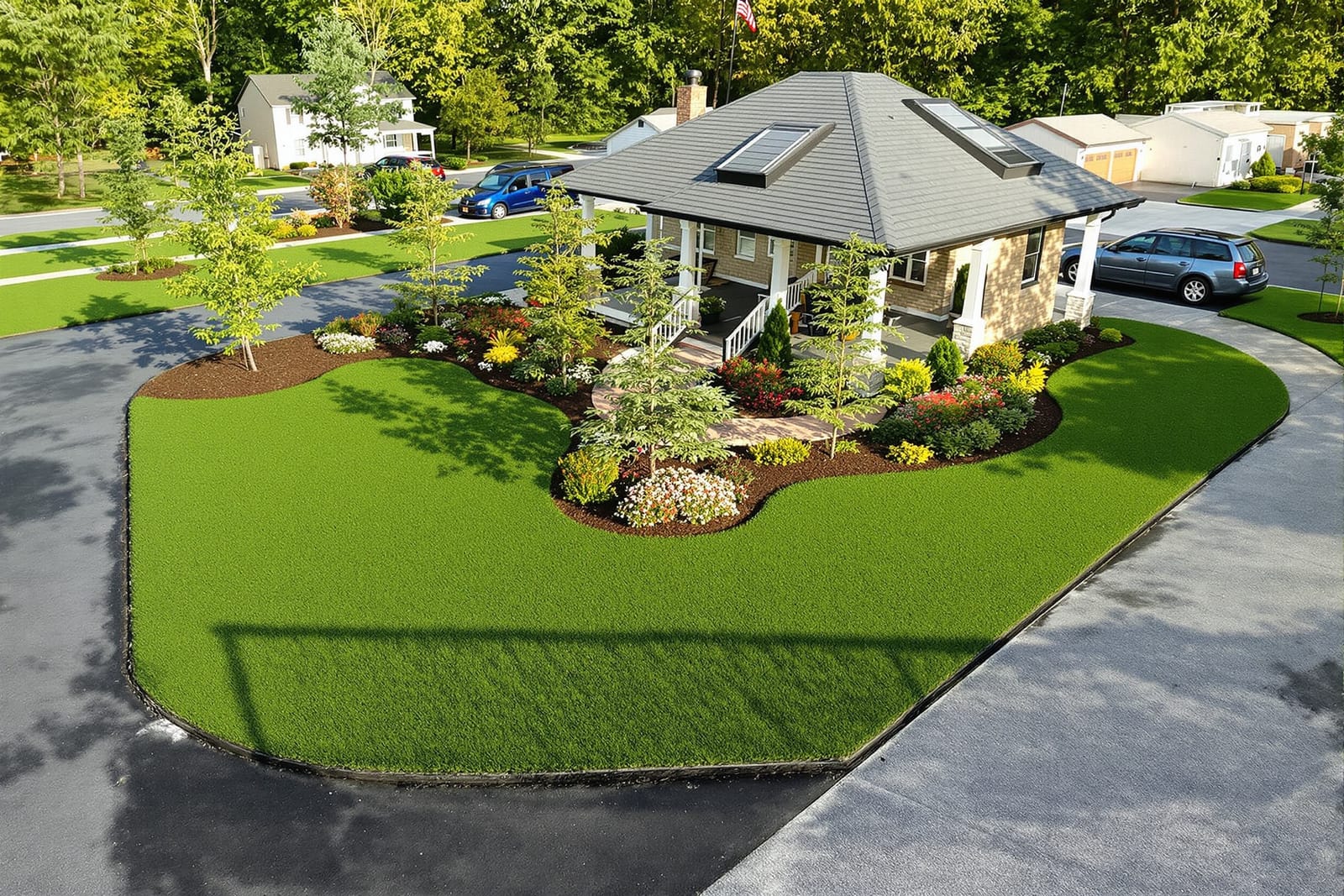
We provide stormwater facility hydroseeding in Austin, TX for detention basins, bio retention cells, infiltration areas, and channels. Our seed mixes and installation methods are tailored to fluctuating water levels and regulatory requirements. Proper vegetation improves water quality, controls erosion, and satisfies inspection criteria.
Legendary Hydroseeding Austin provides professional stormwater facility hydroseeding throughout Austin, TX, Texas and the surrounding area. Our licensed, insured crew delivers safe, clean, on-time work with a free estimate before anything begins. Call 737-237-0380 or request your free quote.
Stormwater Facility Hydroseeding for Austin Properties
Stormwater facility hydroseeding is not the same as spraying grass on a front lawn. In Austin, these sites are engineered systems that protect creeks, streets, and foundations from erosion and flooding. Legendary Hydroseeding Austin designs and installs hydroseeded vegetation specifically for detention ponds, retention basins, bioswales, roadside ditches, and commercial stormwater quality facilities.
Our work is built around the realities of Central Texas weather. Long summer droughts, sudden cloudbursts, and thin Hill Country soils put a lot of stress on stormwater infrastructure. A generic seed mix rarely survives here. We select species and application methods that match the slope, soil type, facility design, and regulatory requirements for your specific site.
Whether you manage a new subdivision off SH‑130, an office park retrofit along MoPac, or an industrial yard near the airport, our team understands how to stabilize stormwater embankments, inlets, and channels so they stay in place, pass inspection, and perform for the long term.
How Professional Stormwater Facility Hydroseeding Works
A successful stormwater facility hydroseeding project follows a clear process from evaluation through establishment. Legendary Hydroseeding Austin starts with a site walk and plan review. We look at grading plans, as‑built drawings, and any drainage or water quality notes to understand design flow paths, side slopes, and maintenance access routes.
For existing facilities, we document bare areas, rills, or bank failures and check how water actually moves through the basin or swale during storms. We test or visually assess soils, especially on cut slopes where caliche and rock are common in Austin, since these areas need a different approach than topsoiled flats.
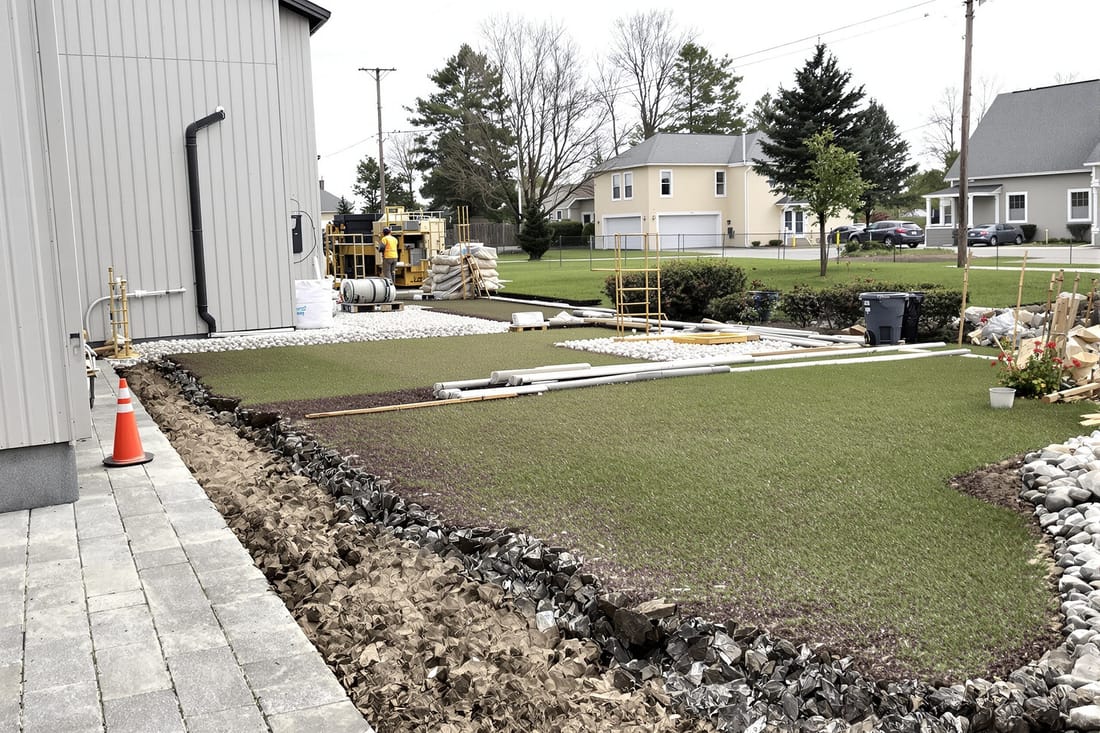
Once we understand the site, we confirm seed mixes, mulch type, fertilizer needs, and any erosion control blankets with you and, if needed, with your civil engineer. Our hydroseeding rig then applies a pressurized slurry of water, seed, mulch fiber, tackifier, and soil amendments across targeted areas, with higher coverage rates on steeper slopes and around inlets and outfalls.
We pay special attention to transitions, such as where a vegetated side slope meets a rock riprap apron or concrete trickle channel. These junctions often fail first if coverage is thin or if the wrong mulch is used. After application, we provide watering and establishment guidance, and on commercial and municipal projects we often schedule a follow‑up visit to verify germination and identify any spots that may need touch‑up.
Site Preparation, Soil Conditioning, and Slope Stabilization
Stormwater facility hydroseeding only works as designed if the surface and soil are properly prepared. On new construction, we verify that the detention or retention basin is graded to plan, that sediment has been removed from the bottom, and that the final topsoil depth matches the design (often 4 to 6 inches in Austin for turf and native mixes). If topsoil was never placed or has washed away, we can recommend import options or soil amendments.
On retrofits and repairs, we remove accumulated sediment that is smothering vegetation, scarify compacted subgrade, and reshape minor ruts and gullies. Compaction is a major issue around Austin because heavy equipment is often used during site build‑out. If roots cannot penetrate, grass will not anchor the slope, so we break up the surface to an appropriate depth before hydroseeding.
For banks steeper than about 3:1, we often pair hydroseeding with erosion control blankets or turf reinforcement mats. We typically install the blanket first, then hydroseed over or under it depending on the product. This is common on the steep back slopes of residential detention ponds in newer subdivisions and on deep commercial basins along US‑183 and SH‑45. In high‑velocity channels or at concentrated flow paths, we may tie the hydroseeded areas into rock riprap or concrete flumes to protect against undercutting.
Seed Mixes and Materials Tailored to Austin Stormwater Facilities
The right vegetation for a stormwater facility is not chosen just for looks. It must handle ponding, drawdown, and occasional submergence while still stabilizing soil. Legendary Hydroseeding Austin builds mixes around the facility function, from dense turf for mowable basins to deeper rooted natives for low‑maintenance bioswales.
A typical high‑traffic detention basin in Austin might use a blend of Bermuda grass for durability and fast cover, with ryegrass or annuals for quick green during cooler months. For water quality features, we may incorporate native species such as curly mesquite, buffalograss, and selected forbs that tolerate periodic wetting but can survive long dry periods.
Our hydroseeding mulch options include paper mulch, wood fiber mulch, and bonded fiber matrix (BFM). On gentle slopes and budget conscious projects, a standard wood fiber mulch often works fine. For steep embankments or high visibility municipal projects where failure is not acceptable, we use heavier mulch or BFM that interlocks to resist rill formation. Tackifiers are chosen with local rain intensity in mind, which is critical in Austin where short, intense storms can hit newly seeded slopes.
We can also incorporate slow release fertilizers, soil conditioners, and microbial inoculants where soils are particularly poor, such as cut limestone slopes in northwest Austin or fill sites near the Colorado River corridor.
Costs, Bids, and What Influences Price in Austin
Stormwater facility hydroseeding pricing is driven by more than just square footage. When Legendary Hydroseeding Austin prepares a proposal, we look at access, slope, soil condition, design requirements, and schedule. A relatively flat, accessible detention pond behind a new subdivision in Pflugerville can cost significantly less per square foot than a steep, heavily compacted retrofit basin hemmed in by existing buildings.
Major cost drivers include the seed mix and mulch type (native and specialty water quality mixes and BFMs are more expensive), the need for erosion control blankets or turf reinforcement mats, surface preparation required, and whether watering support is included. Mobilization can also affect pricing on scattered small facilities across a large master planned community.
To help you budget, we often break our proposals into line items: base hydroseeding with standard mulch, upgraded mulch or BFM, blanket installation on specified slopes, and optional follow‑up inspections or touch‑ups. This lets developers, HOAs, and facility managers prioritize where to spend more, such as on steep inlet slopes or high liability areas near public sidewalks, and where a standard specification will perform well.
If you have existing civil plans or stormwater reports, sharing those in advance allows us to price more accurately and sometimes suggest value engineering options that still meet city or county requirements.
Regulations, Inspections, and Avoiding Stormwater Violations
Austin projects are often subject to city, Travis County, or TCEQ stormwater requirements. Poorly vegetated facilities can lead to failed inspections, delayed certificates of occupancy, and notices of violation. We structure stormwater facility hydroseeding around these compliance realities.
Before work, Legendary Hydroseeding Austin reviews the landscape and erosion control notes on your approved plans to confirm specified seed mixes, slopes that require reinforcement, and maintenance expectations. For construction sites still under a SWPPP, we coordinate timing with your erosion control contractor so hydroseeding integrates with silt fences, inlet protection, and stabilized construction exits.
We also anticipate common inspector concerns. These include bare soil on side slopes, sediment buildup in basin floors, erosion at outfalls, and lack of continuous vegetative cover around inlets. Our crews target these high risk locations with heavier mulch rates, extra tackifier, or supplemental blankets. After installation, we can document coverage and materials for your records and provide written establishment guidelines that help you demonstrate ongoing maintenance if questioned by regulators.
For HOAs and commercial managers inheriting older facilities, we can evaluate whether hydroseeding plus spot repairs will bring a pond or swale back into compliance or if more extensive structural work is needed before vegetation can succeed.
What Austin Property Owners Should Plan For After Hydroseeding
Stormwater facility hydroseeding does not end when the truck leaves the site. The first 90 days after installation are critical for long term performance. We give every client a site specific establishment plan that fits Austin's climate and your irrigation realities.
Where irrigation is available, such as in many newer commercial parks, we recommend light, frequent watering at first, then deeper, less frequent cycles as roots develop. In non‑irrigated detention basins serving residential neighborhoods, timing is everything. If possible, we schedule hydroseeding before historically wetter periods, and we may suggest drought tolerant mixes that can survive if rainfall does not cooperate.
Mowing is also handled differently for stormwater facilities than for typical lawns. Initial mowing is usually delayed until vegetation reaches a certain height and is firmly rooted, then cut high to avoid scalping. We explain how to keep access roads and embankment toes clear while still maintaining enough cover to prevent erosion.
We encourage property managers to inspect facilities after major storms during the first year. Look for small rills, bare patches around inlets, and sediment deltas that can be corrected quickly. Legendary Hydroseeding Austin can perform these inspections for you, handle touch up hydroseeding, and adjust mixes if we see patterns that suggest a different species blend would perform better in a specific location or microclimate on your site.